Dewatering Screen | Vibrating Dewatering Screen with Dual-Motor Self-Synchronization for High-Efficiency Dewatering, Desliming and Medium Separation——Core Equipment for Tailings Dry Discharge and Washed Sand
The dewatering screen is a high-efficiency screening machine specially designed for material dewatering, desliming and medium separation. It adopts mature dual-motor self-synchronization vibration technology and offers outstanding features such as large processing capacity, excellent dewatering performance, stable operation and easy maintenance. It is widely used in key operations including washed sand production in aggregate plants, coal slurry recovery in coal washing plants and tailings dry discharge in mineral processing plants, making it core equipment for resource recovery and environmentally friendly production.
GoldProcessingPlant vibrating dewatering screen——dual-motor self-synchronized vibration, screen plate with 5° front and 45° rear inclination, high-efficiency dewatering and classification
Product Overview
The dewatering screen is a high-efficiency screening machine specially designed for material dewatering, desliming and medium separation. It adopts mature dual-motor self-synchronization vibration technology in a linear vibrating screen configuration and offers outstanding features such as large processing capacity, excellent dewatering performance, stable operation and easy maintenance. It is widely used in key operations including washed sand production in aggregate plants, coal slurry recovery in coal washing plants and tailings dry discharge in mineral processing plants, making it core equipment for resource recovery and environmentally friendly production.
The dewatering screen consists of the screen box, vibration motors, rubber spring support system and screen mesh. Two vibration motors rotate in opposite directions with self-synchronization, generating a powerful directional excitation force that forces material on the screen surface to vibrate at high frequency and move forward. During this process, water and fine clay particles pass rapidly through the screen openings under gravity and vibration, while the dewatered coarse material is discharged from the end of the screen surface, achieving high-efficiency dewatering and classification.
Technical Advantages and Features
High-efficiency dewatering design: the screen plate adopts a unique 5° front and 45° rear inclination arrangement, with pre-dewatering in the front section and forced dewatering in the rear section, delivering extremely high dewatering efficiency. Aperture specifications can be flexibly selected according to material characteristics (such as particle size and viscosity) to achieve the best dewatering result.
Stable and reliable operation: the dual-motor self-synchronization technology requires no forced gear synchronization, providing smooth operation and low noise. High-quality rubber springs effectively absorb equipment vibration, reduce impact on the foundation and eliminate the need for complex installation bases.
Robust and durable structure: the screen box is made of thickened steel plates with reinforcing rib structures on the side plates, giving high overall rigidity to withstand heavy-load vibration. Polyurethane or stainless steel screen plates are optional, offering wear resistance, corrosion resistance and long service life. Strict welding processes and quality control ensure reliable long-term operation.
Technical Specifications
Model
Screen Surface Size (Width × Length m)
Motor Power (kW×2)
Processing Capacity (m³/h)
Equipment Weight (kg)
TS0720
0.7 × 2.0
0.75 × 2
5 – 10
800
TS0920
0.9 × 2.0
1.1 × 2
10 – 20
1200
TS1020
1.0 × 2.0
1.5 × 2
10 – 30
1600
TS1225
1.2 × 2.5
2.2 × 2
50 – 80
2100
TS1530
1.5 × 3.0
3.0 × 2
100 – 120
3200
Note: The above processing capacities of the dewatering screen are reference values for conventional materials and depend on material properties, concentration and screen mesh configuration.
Typical Applications
Aggregate industry: final dewatering of manufactured sand and washed sand, effectively controlling the moisture content of the finished sand.
Coal processing: recovery of fine coal particles from coal slurry water, achieving closed-circuit circulation of wash water and resource utilization.
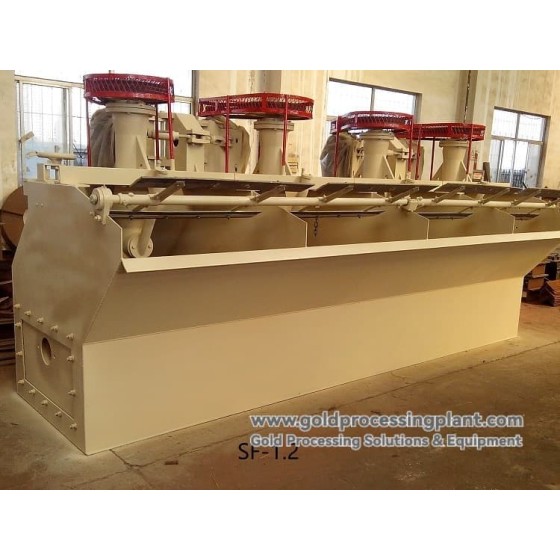
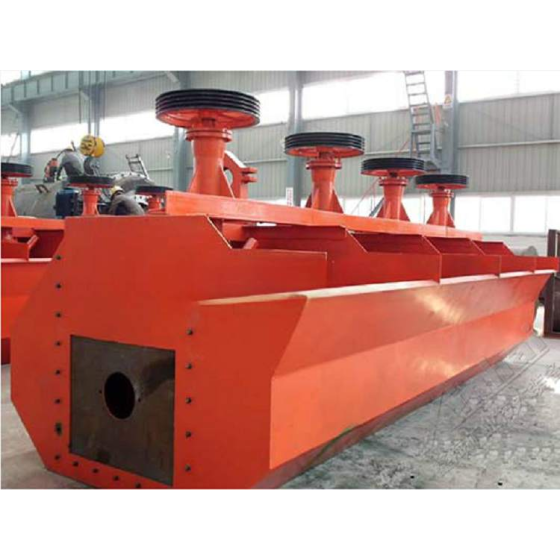
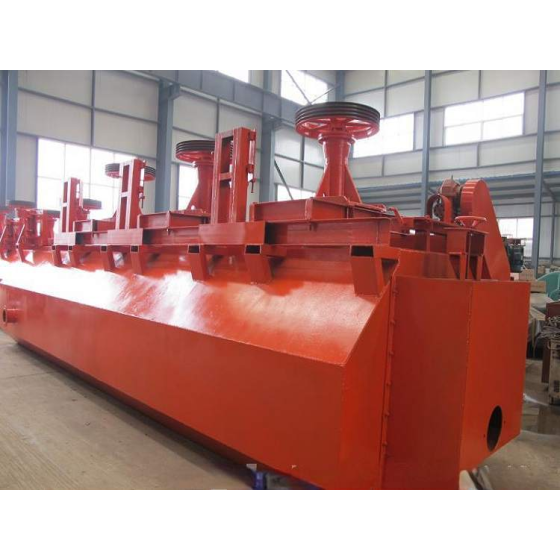
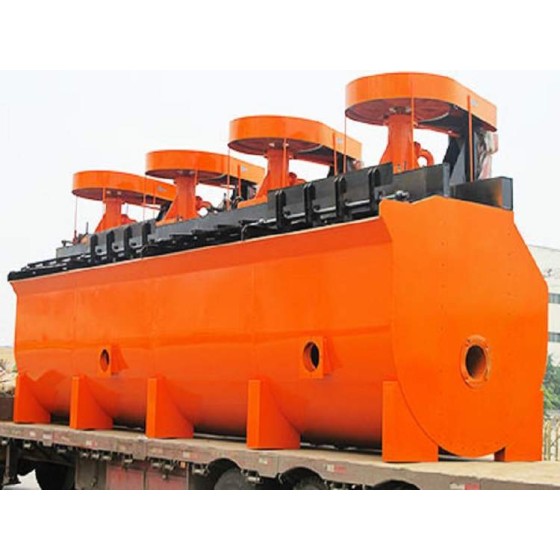
Mineral processing lines: tailings dewatering and dry discharge for resource utilization or safe storage of tailings, reducing environmental pollution; it can be combined with an aerated flotation machine in the concentration stage.
Other fields: dewatering, desliming and medium separation of quartz sand, metallurgical slag and other materials.
Selection Recommendations
By processing capacity: select the appropriate dewatering screen model according to hourly capacity requirements, with a recommended reserve of 10%-20%.
By material characteristics: for highly abrasive materials (such as slag and iron ore), polyurethane screen plates are recommended; in corrosive environments or where high cleanliness is required, stainless steel screen plates can be selected.
Special working conditions: aperture size, screen plate inclination or material can be customized to user requirements to perfectly suit specific processes.
Dewatering screen at a mineral processing site——efficient dewatering for tailings dry discharge, washed sand and coal slurry recovery
Quality and Service Guarantee
Strict testing: every dewatering screen undergoes rigorous no-load and load testing before leaving the factory to ensure performance meets specifications.
Reliable warranty: key components (such as the screen box and vibration motors) are covered by a 12-month quality guarantee.
Technical support: comprehensive professional technical support from site planning and installation guidance to commissioning and optimization.
Customization service: non-standard customization is available to meet individual needs for special sites and materials.
Summary
With dual-motor self-synchronization vibration technology, a screen plate arrangement with 5° front and 45° rear inclination and optional polyurethane/stainless steel screen plates, the vibrating dewatering screen achieves high-efficiency dewatering, desliming and medium separation of materials. It combines large processing capacity, stable operation, robust durability and easy maintenance, making the dewatering screen core equipment for washed sand, coal slurry recovery, concentrate dewatering and tailings dry discharge. GoldProcessingPlant can provide dewatering screen selection and customized solutions according to your processing capacity, material characteristics and site conditions, together with a complete gravity processing line, a complete gold plant solution and a centrifugal gold concentrator for tailings dry discharge operations.
Frequently Asked Questions
What is a dewatering screen and in which processes is it mainly used?
A dewatering screen is a high-efficiency screening machine specially designed for material dewatering, desliming and medium separation. It adopts mature dual-motor self-synchronization vibration technology and features large processing capacity, excellent dewatering performance, stable operation and easy maintenance. It is mainly used in key processes such as washed sand production in aggregate plants, coal slurry recovery in coal washing plants and tailings dry discharge in mineral processing plants, making it core equipment for resource recovery and environmentally friendly production.
What is the working principle of a dewatering screen?
The equipment consists of the screen box, vibration motors, rubber spring support system and screen mesh. Two vibration motors rotate in opposite directions with self-synchronization, generating a powerful directional excitation force that makes material on the screen surface vibrate at high frequency and move forward. Water and fine clay particles pass rapidly through the screen openings under gravity and vibration, while the dewatered coarse material is discharged from the end of the screen surface, achieving high-efficiency dewatering and classification.
What are the benefits of dual-motor self-synchronization technology?
Dual-motor self-synchronization technology of the dewatering screen requires no forced gear synchronization. The two vibration motors rotate in opposite directions to generate a directional excitation force, providing smooth operation and low noise. Combined with high-quality rubber springs for vibration damping, it effectively absorbs equipment vibration, reduces impact on the foundation and eliminates the need for complex installation bases, ensuring stable and reliable operation.
What is the purpose of the 5° front and 45° rear inclined screen plate design?
The dewatering screen plate adopts a unique arrangement with 5° at the front and 45° at the rear: the front section performs pre-dewatering and the rear section forced dewatering, achieving extremely high efficiency. In addition, aperture specifications can be flexibly selected according to material particle size and viscosity to achieve the best dewatering result.
What models of dewatering screen are available and what is their processing capacity?
There are five models: TS0720, TS0920, TS1020, TS1225 and TS1530, with screen surfaces from 0.7×2.0 to 1.5×3.0 m, motor powers from 0.75×2 to 3.0×2 kW, processing capacities of 5–120 m³/h and equipment weights of 800–3200 kg. These capacities are reference values for conventional materials and depend on material properties, concentration and screen mesh configuration.
How to choose the screen plate material of a dewatering screen?
For highly abrasive materials (such as slag and iron ore), polyurethane screen plates are recommended. In corrosive environments or where high cleanliness is required, stainless steel screen plates can be selected. Both are wear-resistant, corrosion-resistant and long-lasting, and aperture size, inclination or material can be customized for special working conditions.
How is a dewatering screen applied in tailings dry discharge?
In a mineral processing line, a dewatering screen can perform slurry dewatering of tailings for dry discharge, enabling resource utilization or safe storage of tailings and reducing environmental pollution. It can also serve as the dewatering unit in an EPC turnkey project, together with a jaw crusher and a hydrocyclone in the gold recovery line.
How much capacity reserve should be allowed when selecting equipment?
It is recommended to select the appropriate dewatering screen model according to hourly capacity requirements and reserve a margin of 10%-20% to absorb fluctuations caused by changes in material properties, concentration and screen mesh configuration, ensuring dewatering effectiveness and production continuity.
What are the warranty and service like for a dewatering screen, and how to obtain a quotation?
Every dewatering screen undergoes rigorous no-load and load testing before leaving the factory, and key components (screen box and vibration motors) are covered by a 12-month quality guarantee. Comprehensive technical support is provided in site planning, installation, commissioning and optimization, along with non-standard customization services. Quotations vary with model, screen plate material and configuration, and a quotation for the complete line can be provided.
Tell Us Your Material Characteristics and Processing Capacity
GoldProcessingPlant engineers match the right dewatering screen model, screen plate material and aperture inclination configuration for you.
We provide a free processing solution design and quotation: dewatering screen selection, model calculation based on hourly capacity with a 10%-20% reserve, polyurethane/stainless steel screen plate configuration, custom aperture size and inclination, and a complete-line equipment quotation, with supply of crushers, ball mills, hydrocyclones, classifiers, thickeners and tailings dry discharge lines.
CONTACT US
To find out more about our products and solutions, please fill out the form below and one of our experts will get back to you shortly.



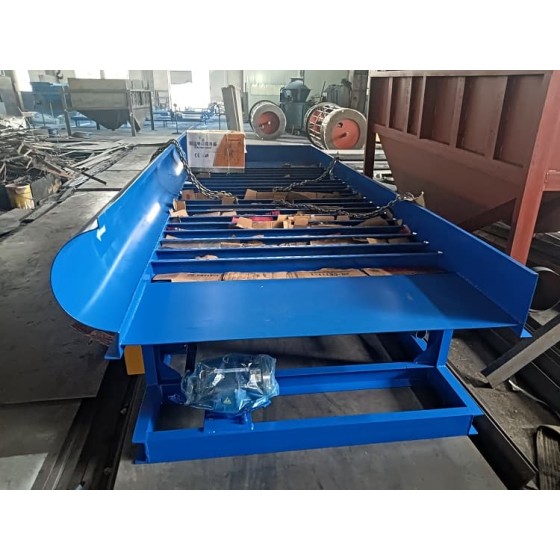
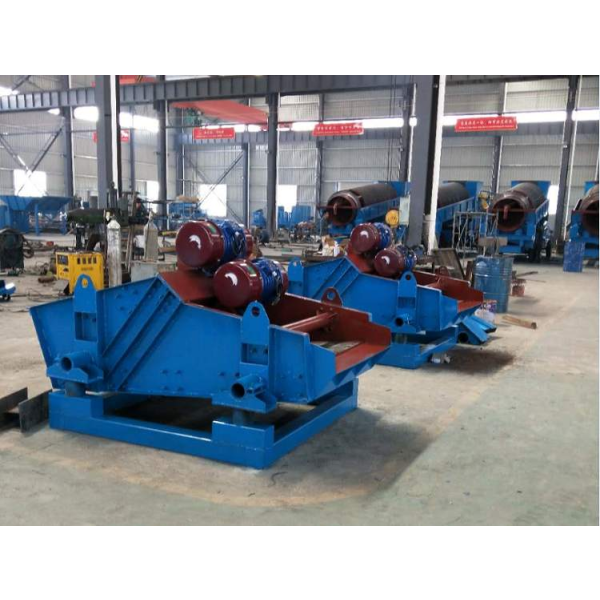
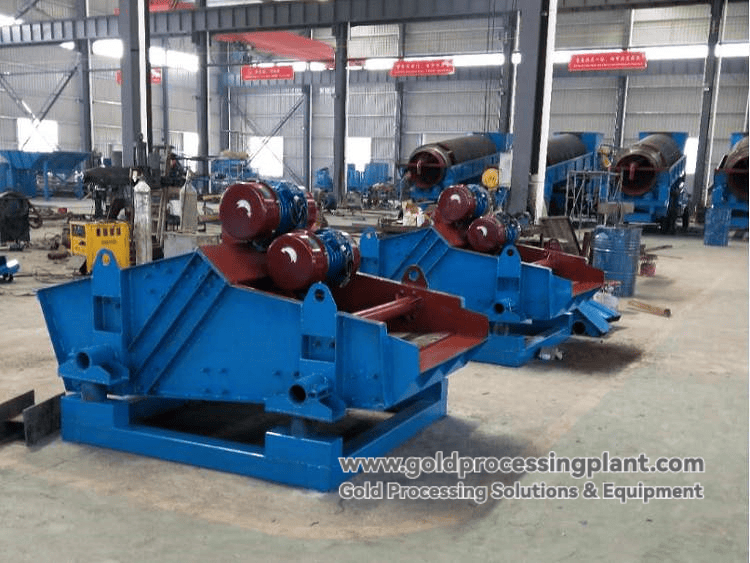 GoldProcessingPlant vibrating dewatering screen——dual-motor self-synchronized vibration, screen plate with 5° front and 45° rear inclination, high-efficiency dewatering and classification
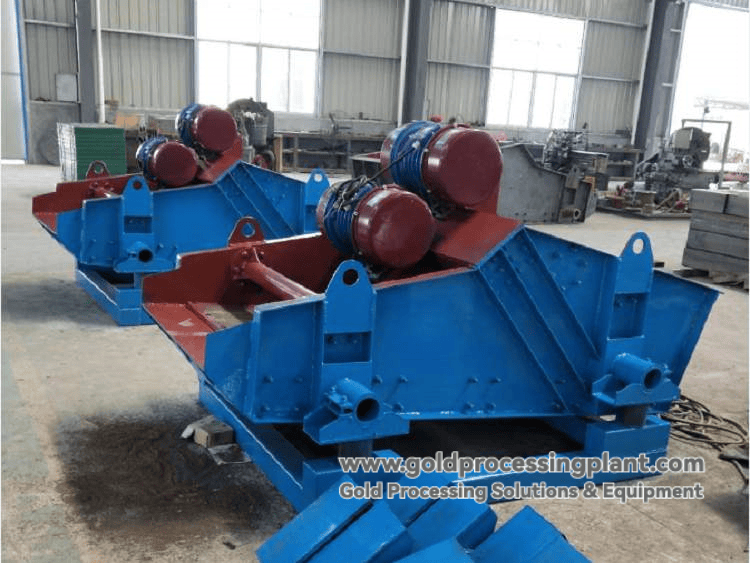 Dewatering screen at a mineral processing site——efficient dewatering for tailings dry discharge, washed sand and coal slurry recovery