Gold Processing Equipment List: Crushing, Grinding, Gravity, Flotation & CIP/CIL
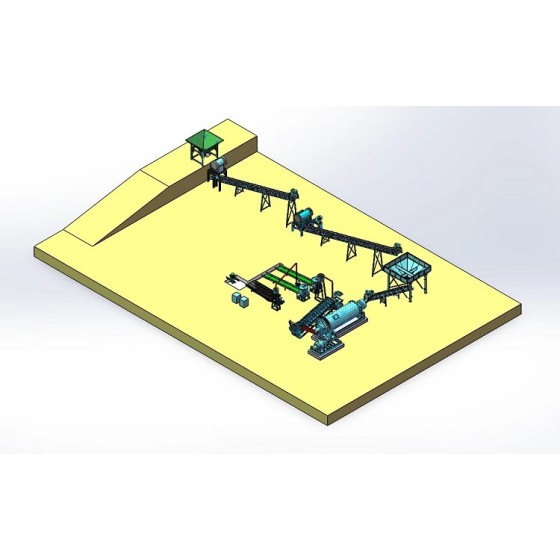
Gold processing equipment is not a random collection of individual machines; it is a system engineered to match ore properties and process routes. From crushing, grinding, gravity separation, flotation, and cyanidation to dewatering, the equipment selected at each stage directly determines the final gold recovery rate and operating costs. This article organizes the core gold processing equipment list by category, helping you quickly see which equipment is needed, what role each plays, and how they connect before building or upgrading a plant. GoldProcessingPlant provides full-process services from single units to EPC turnkey solutions; equipment lists are configured based on ore characteristics, not inventory.
1. Crushing & Grinding Equipment: Liberating Gold Particles
Crushing and grinding are the "preparation stage" of a processing plant, aimed at reducing large ore blocks to the liberation size of gold minerals. The core principle for this stage of gold processing equipment is "more crushing, less grinding"—do more work in crushing and consume less power in grinding. The crushing size directly determines the load and energy consumption of subsequent grinding, and is the first threshold for gold processing equipment selection.
| Equipment Category |
Core Equipment |
Function |
| Primary Crushing |
Jaw Crusher |
Reduces large run-of-mine ore to a size suitable for secondary and fine crushing; large capacity, simple structure |
| Secondary & Fine Crushing |
Hydraulic Cone Crusher |
Further reduces ore to grinding feed requirements; hydraulic adjustment of discharge opening, uniform particle size |
| Grinding |
Grid-type / Overflow Ball Mill |
Grinds ore fine to liberate gold minerals from gangue; grind size determined by dissemination size |
| Classification |
Hydrocyclone, Spiral Classifier |
Forms a closed circuit with the mill; qualified fines proceed to the next stage, coarse particles return for regrinding |
The jaw crusher is the mainstay gold processing equipment for primary crushing, suitable for large run-of-mine ore with a large feed size and high crushing ratio. Selection mainly depends on the maximum ore lump size and capacity requirements; the discharge opening adjustment range must meet the feed requirements of secondary and fine crushing. The ball mill is the core gold processing equipment in the grinding stage; grind size directly determines the liberation degree of gold minerals. Grid-type is suitable for coarse grinding, overflow-type for fine grinding; specific selection depends on the dissemination size of gold minerals and subsequent separation processes.
Related process pages: Gold Flotation Process, Combined Gold Processing Process.
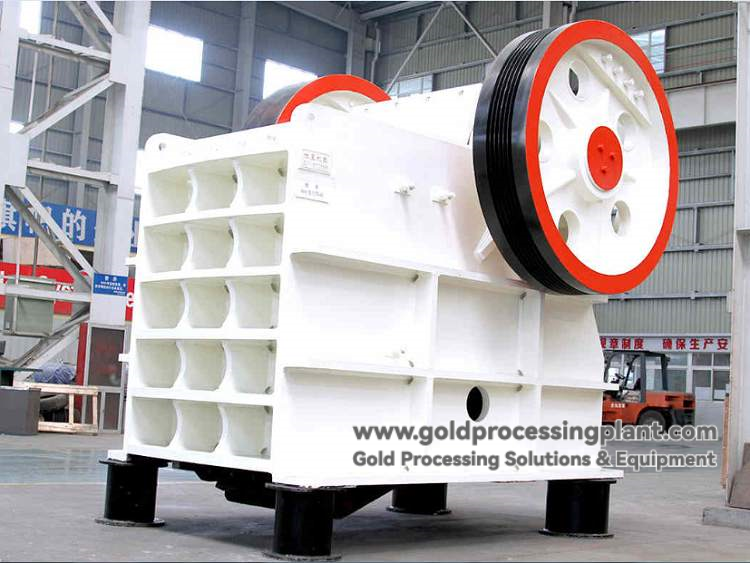
Gold Processing Equipment - Jaw Crusher (Primary Crushing)
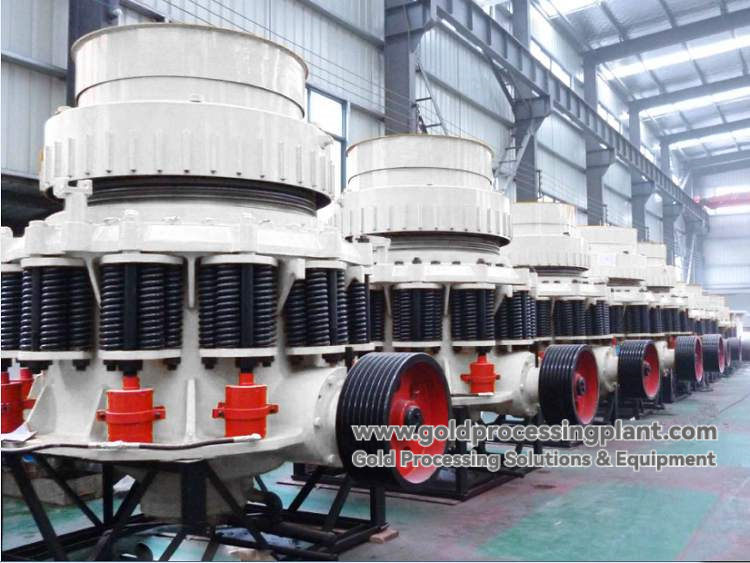
Gold Processing Equipment - Hydraulic Cone Crusher (Secondary & Fine Crushing)
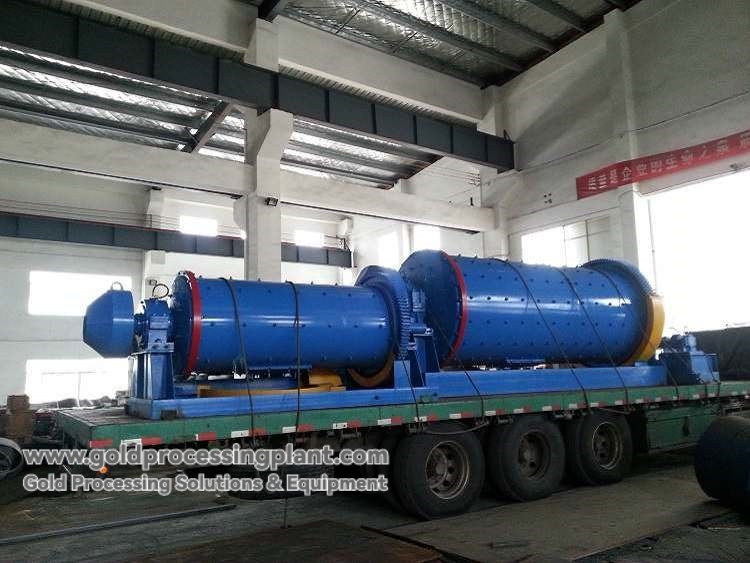
Gold Processing Equipment - Ball Mill (Grinding & Classification)
2. Gravity Separation Equipment: Recover as Early as Possible
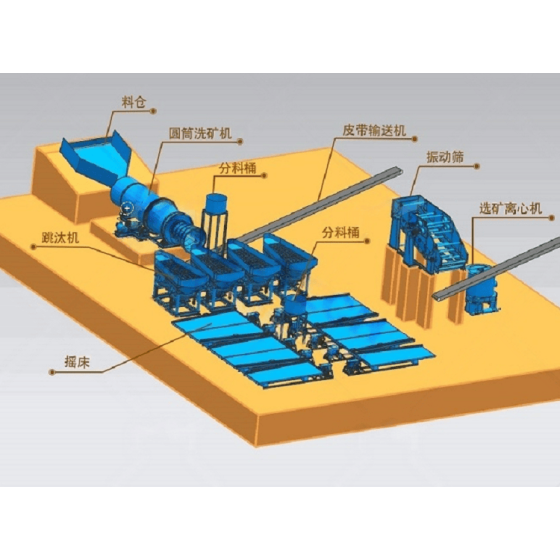
Gravity separation uses the density difference between gold and gangue to recover free gold. The core principle is "recover as early as possible"—recover coarse free gold in the grinding circuit before over-grinding and sliming occur. Gravity separation usually does not constitute a standalone process; it is embedded in the grinding circuit or combined with flotation and cyanidation. The configuration of gold processing equipment in this stage focuses on the size and distribution of coarse gold.
| Equipment Category |
Core Equipment |
Function |
| Coarse Gold Gravity |
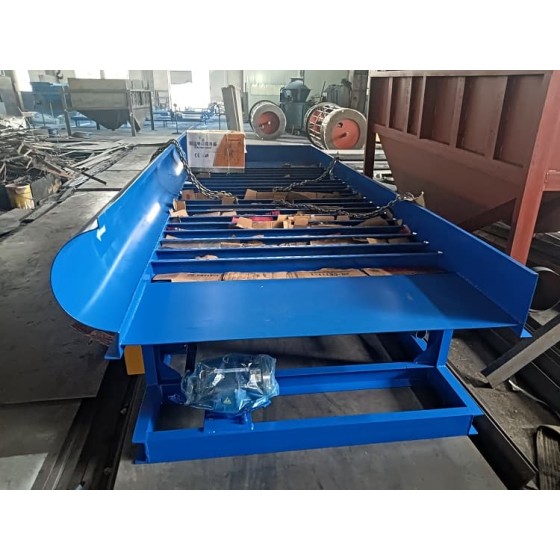
Sawtooth Wave Jig |
Processes +0.5mm coarse gold; often installed at ball mill discharge or classifier sand return |
| Fine Gold Gravity |
Knelson Centrifugal Concentrator |
High-G centrifugal force field recovers fine gold; effective lower limit down to 5-10 microns |
| Cleaning |
6-S Shaking Table |
Purifies rough concentrate into high-grade gravity gold concentrate; high separation precision and enrichment ratio |
| Roughing/Scavenging |
Spiral Sluice, Agitating Sluice |
Large capacity, simple structure; suitable for roughing and tailings rejection, and placer gold washing |
The sawtooth wave jig is the core gold processing equipment for coarse gold recovery. It uses vertical alternating water flow to stratify ore particles by density, with good recovery for +0.5mm coarse gold; it is often installed at the ball mill discharge or classifier sand return. The Knelson centrifugal concentrator is key gold processing equipment for fine gold recovery. Its high-G centrifugal force field captures fine gold particles, with an effective lower limit down to 5-10 microns; it is often installed at the classification overflow or cyclone underflow. Used in series, the two cover the complete recovery range from coarse to fine gold.
Related process pages: Gold Gravity Separation Process, Placer Gold Processing Process.
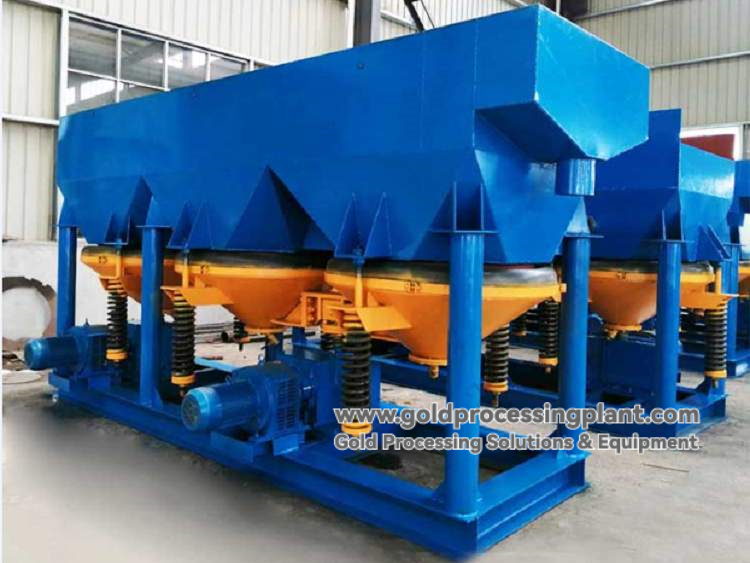
Gold Processing Equipment - Sawtooth Wave Jig (Coarse Gold)
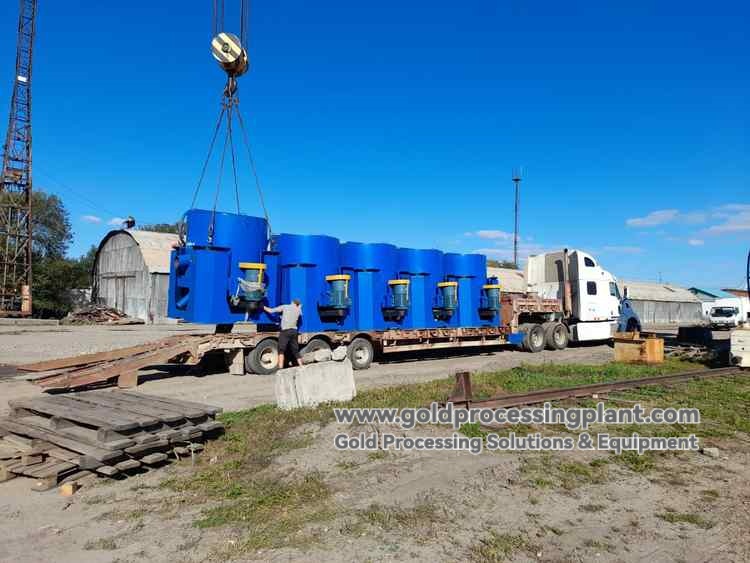
Gold Processing Equipment - Knelson Centrifugal Concentrator (Fine Gold)
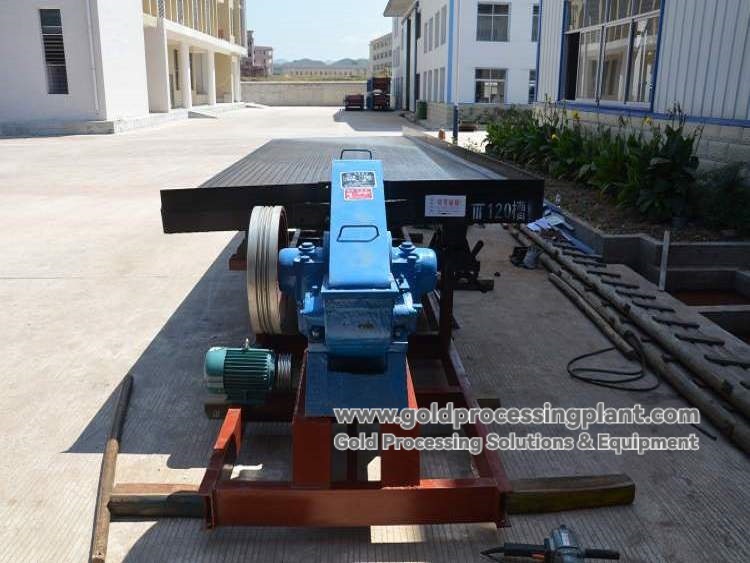
Gold Processing Equipment - 6-S Shaking Table (Cleaning)
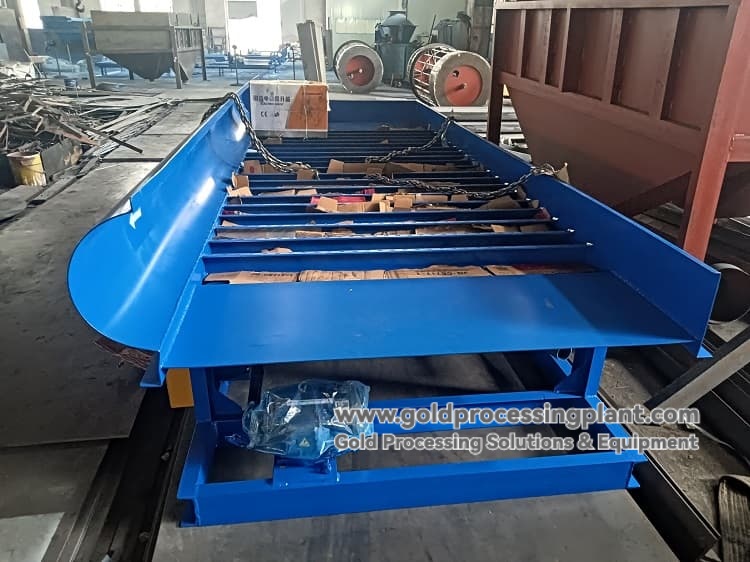
Gold Processing Equipment - Agitating Sluice (Roughing)
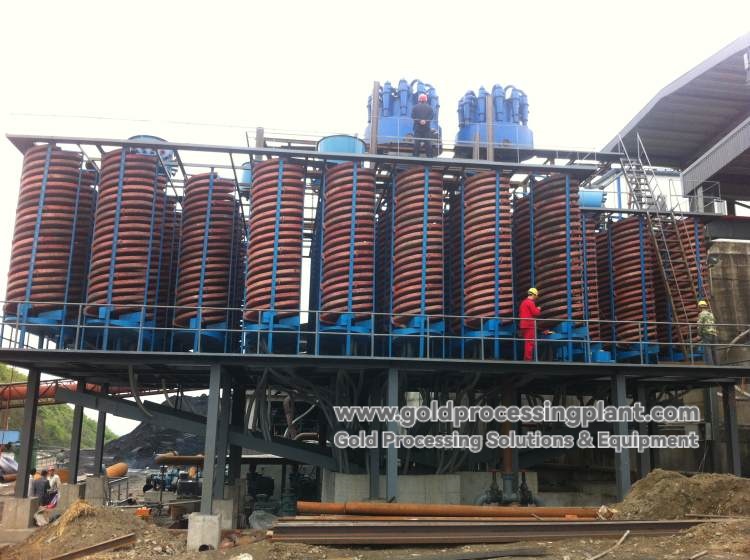
Gold Processing Equipment - Spiral Sluice (Placer Washing)
3. Flotation Equipment: Enriching Gold-Bearing Sulfides
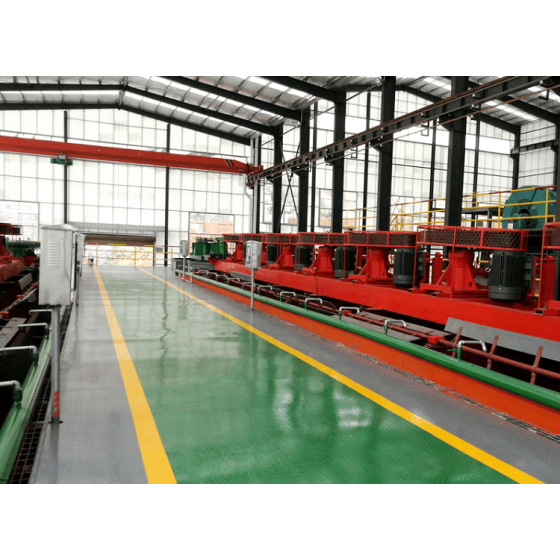
Flotation utilizes differences in the physicochemical properties of mineral surfaces to float gold together with gold-bearing sulfides such as pyrite and arsenopyrite; the concentrate is sent for smelting or cyanidation. Flotation is the preferred route for sulfide-hosted gold, fine-grained disseminated gold ores, and polymetallic associated gold ores. In gold processing equipment, the selection of flotation cells and the number of circuit stages directly determine concentrate grade and recovery.
| Equipment Category |
Core Equipment |
Function |
| Conditioning & Reagents |
Conditioning Tank, Reagent Addition System |
Adjusts pulp density; sequentially adds collectors, frothers, activators, depressants |
| Roughing/Scavenging |
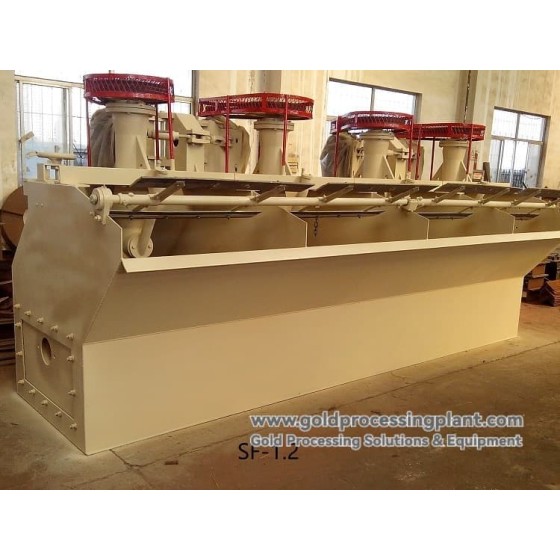
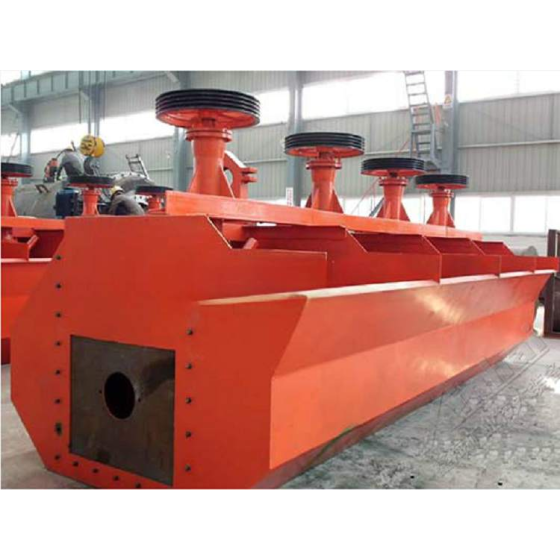
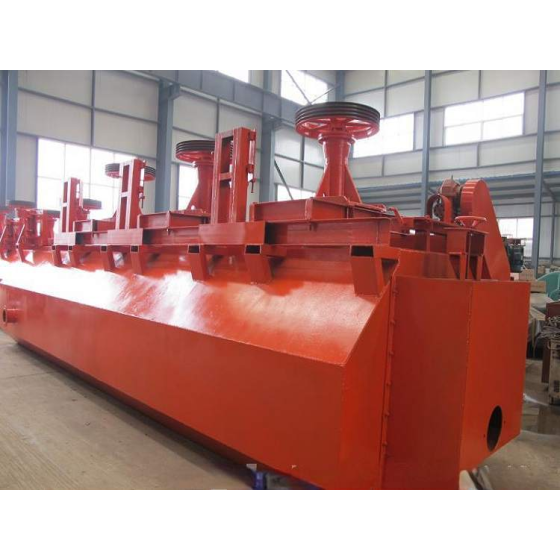
SF / XCF / KYF Flotation Cells |
Roughing quickly recovers gold-bearing sulfides; scavenging recovers remaining values to improve recovery |
| Cleaning |
Cleaning Flotation Cells, Depressant Addition System |
Depresses gangue to improve gold concentrate grade |
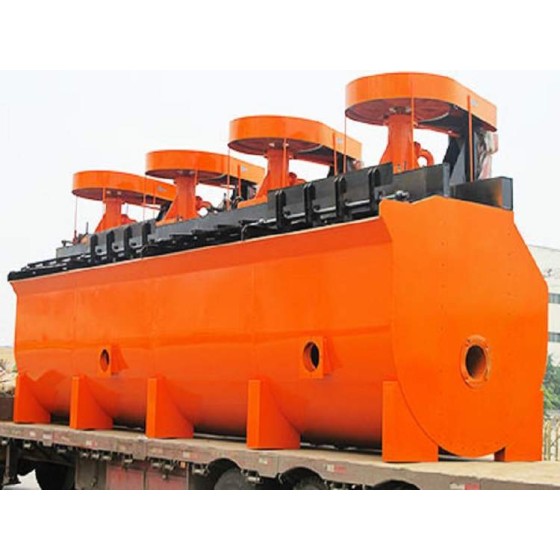
The SF flotation cell is commonly used gold processing equipment for roughing and scavenging, with self-aspirating capability, suitable for front-end circuit configuration. The XCF/KYF flotation cell is the preferred choice for large-scale open-flow tank configurations, with high aeration and separation efficiency, suitable for gold processing equipment configurations with larger capacities. The selection of reagent regime and circuit structure (one roughing, two scavenging to one roughing, three scavenging) directly affects flotation recovery and concentrate grade.
Related process pages: Gold Flotation Process.
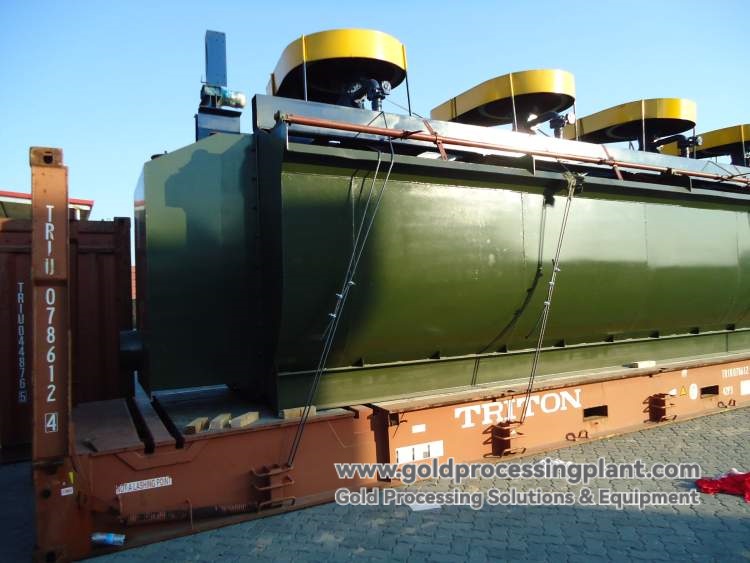
Gold Processing Equipment - Flotation Cell (Roughing/Scavenging)
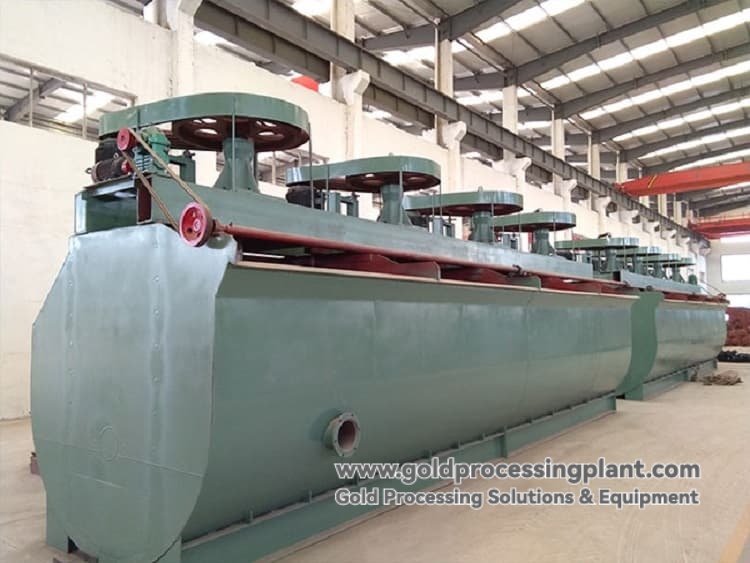
Gold Processing Equipment - Flotation Cell Bank (Multi-tank Series)
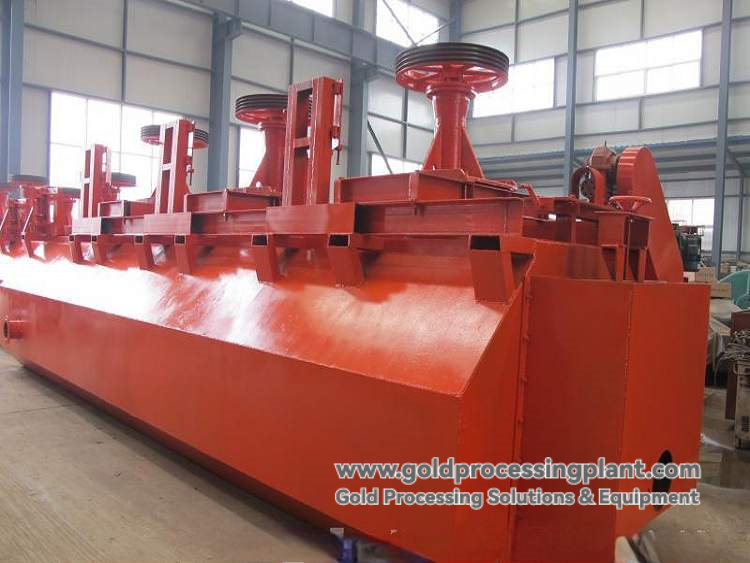
Gold Processing Equipment - Flotation Cell Aeration & Agitation System
4. Cyanidation Equipment: Leaching & Adsorption Recovery
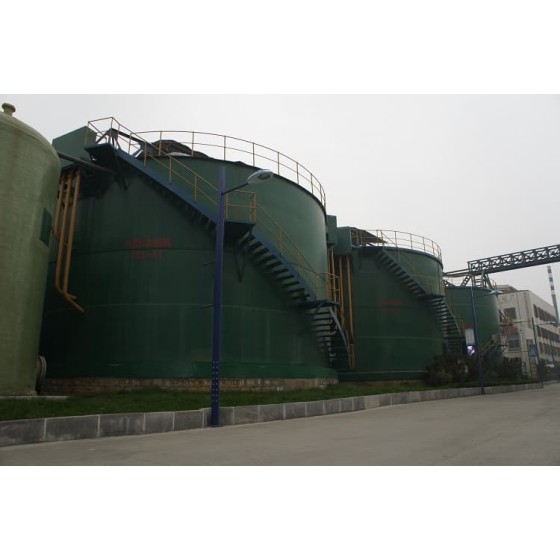
Cyanidation is the mainstream route for recovering gold from cyanide pulp, divided into CIP (Carbon-in-Pulp, leaching and adsorption in separate tanks) and CIL (Carbon-in-Leach, leaching and adsorption in the same tank). In gold processing equipment, leaching tanks, carbon separation screens, and elution & electrowinning systems are the core of this stage; equipment materials must be corrosion-protected for the cyanide environment.
| Equipment Category |
Core Equipment |
Function |
| Pretreatment |
High-Efficiency Thickener, Trash Screen, Lime Addition System |
Conditions pulp to 40-45% density; adjusts pH to 10.5-11.5 to prevent cyanide volatilization |
| Leaching & Adsorption |
Double-Impeller Leaching Tank, High-Efficiency Carbon Separation Screen, Carbon Lifter |
Cyanide dissolves gold; activated carbon counter-currently adsorbs gold-cyanide complex |
| Elution & Electrowinning |
Atmospheric / High-Temperature High-Pressure Elution & Electrowinning System |
Desorbs gold from loaded carbon; gold deposits as sludge; two systems selected by scale and ore elution difficulty |
| Carbon Regeneration |
Acid Washing Tank, High-Temperature Regeneration Kiln |
Restores activity of barren carbon for recycling; reduces new carbon costs |
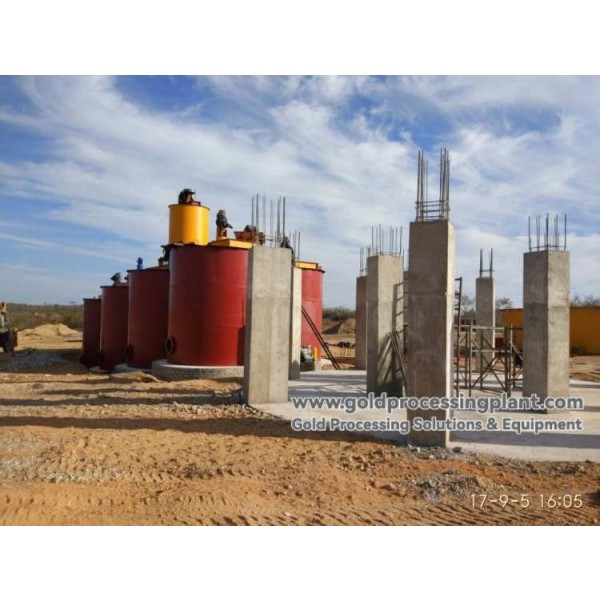
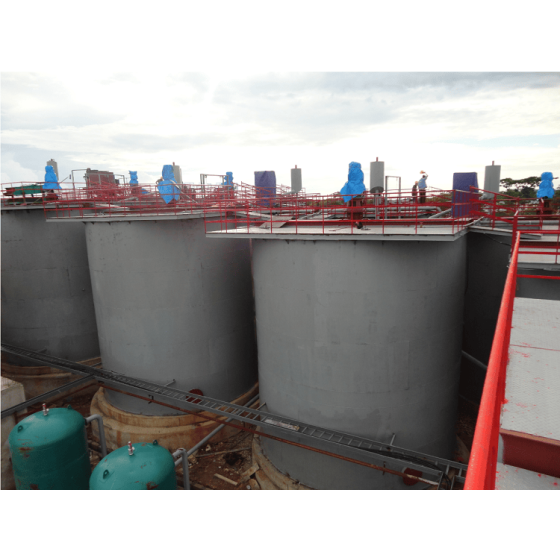
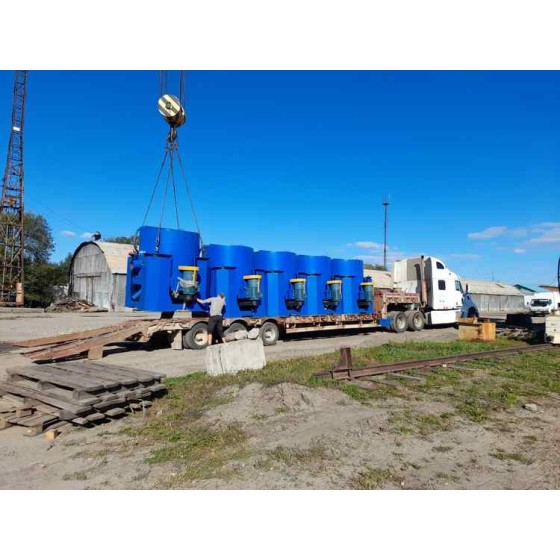
The double-impeller leaching tank is the core gold processing equipment in the cyanide leaching stage; 6-9 tanks in series ensure leaching time, with oxygen-enriched air injected to improve gold dissolution efficiency. The high-efficiency carbon separation screen is a key component in the leaching & adsorption stage, responsible for separating pulp from activated carbon and controlling carbon loss. The elution & electrowinning system is available in atmospheric and high-temperature high-pressure configurations; the former suits small to medium plants or easily elutable ores, while the latter compresses elution time to 10-12 hours, suitable for large mines or difficult-to-elute ores.
Related process pages: Gold CIP Process, Gold CIL Process.
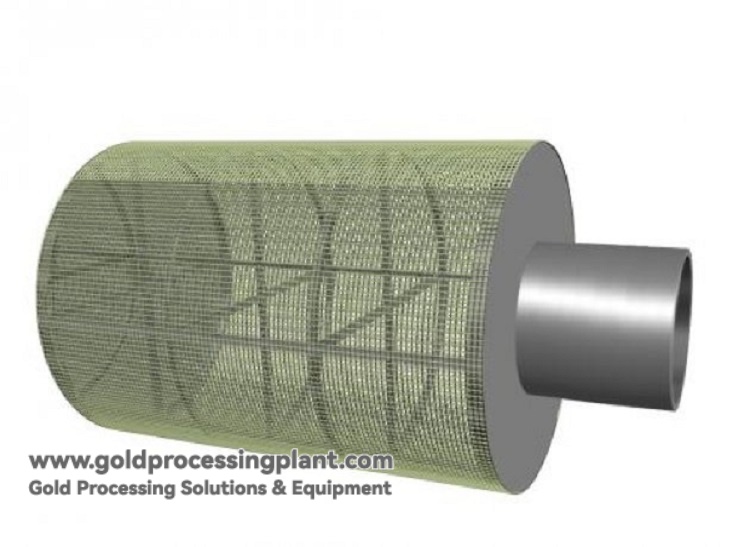
Gold Processing Equipment - High-Efficiency Carbon Separation Screen
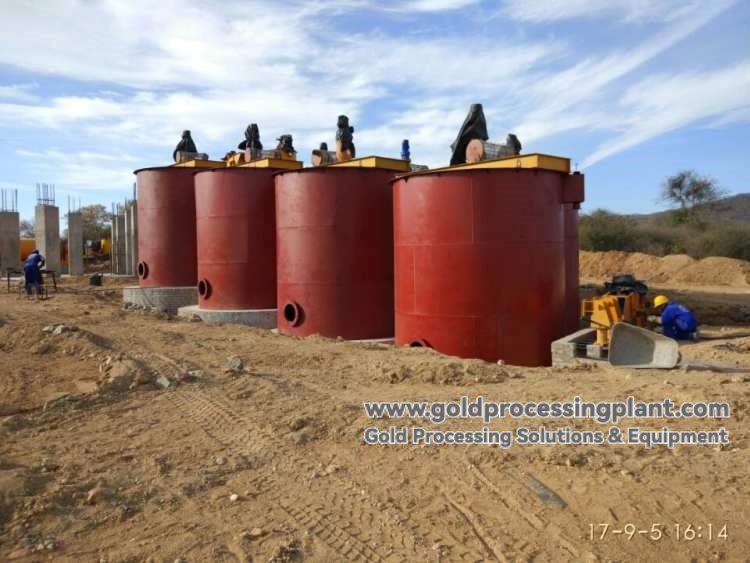
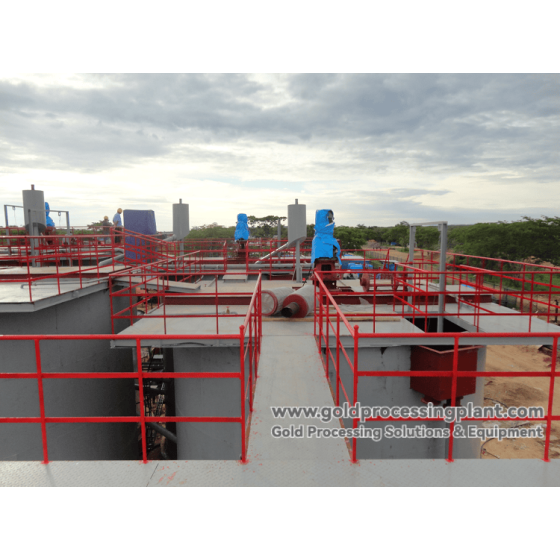
Gold Processing Equipment - Leaching Tank Train (Multi-tank Series)
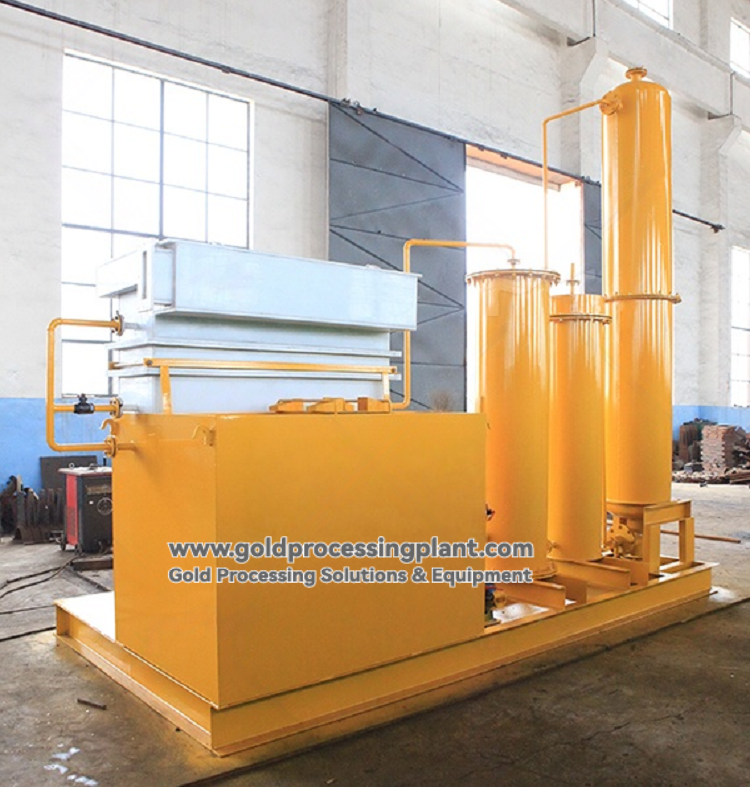
Gold Processing Equipment - Atmospheric Elution & Electrowinning System
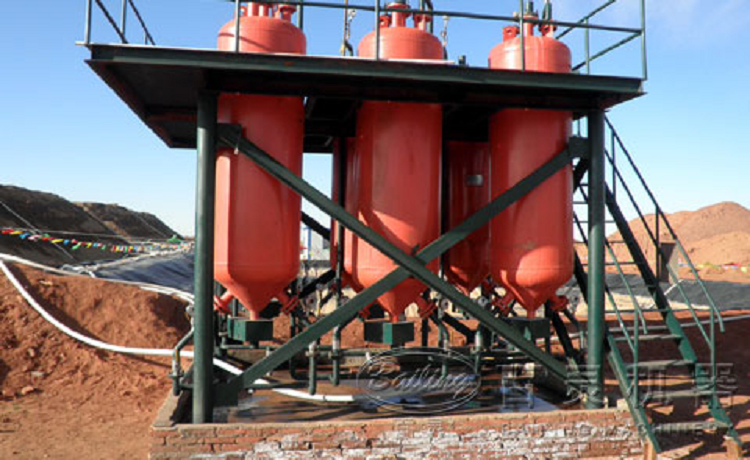
Gold Processing Equipment - Heap Leaching Equipment (Low-Grade Oxide Ore)
5. Dewatering Equipment: Concentrate Dewatering & Dry Tailings Stacking
The dewatering stage handles solid-liquid separation of concentrate and tailings, directly affecting transportation costs, water recycling, and environmental compliance. Dry tailings stacking is a key step in environmental approval for current gold projects, and is the stage in gold processing equipment configuration that is easily overlooked but most costly to retrofit later.
| Equipment Category |
Core Equipment |
Function |
| Concentrate Dewatering |
High-Efficiency Thickener, Filter Press |
Thickens and filter-presses into cake; low moisture meets transport and smelting requirements |
| Tailings Treatment |
Tailings Thickener, Filter Press, Water Recycling System |
Dry tailings stacking; clear water returned for recycling; reduces land use and environmental risks |
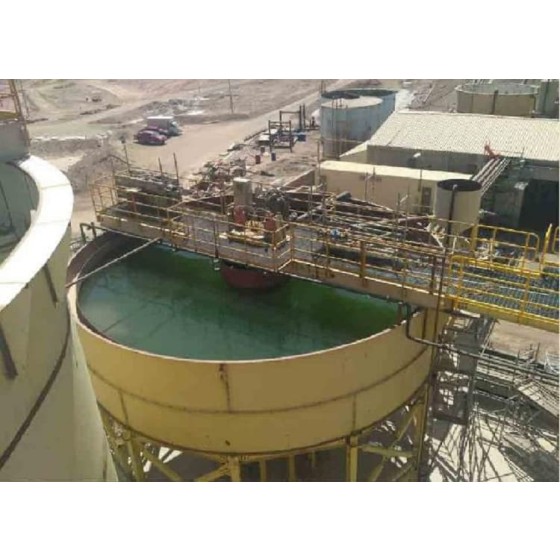
The high-efficiency thickener is the core gold processing equipment for concentrate and tailings dewatering, responsible for thickening pulp to the appropriate density to create conditions for subsequent filter pressing or dry stacking. The filter press is key gold processing equipment for dry tailings stacking, pressing thickened tailings into filter cake for dry stacking, with clear water returned for recycling.
Related process pages: Gold Tailings Retreatment Process.
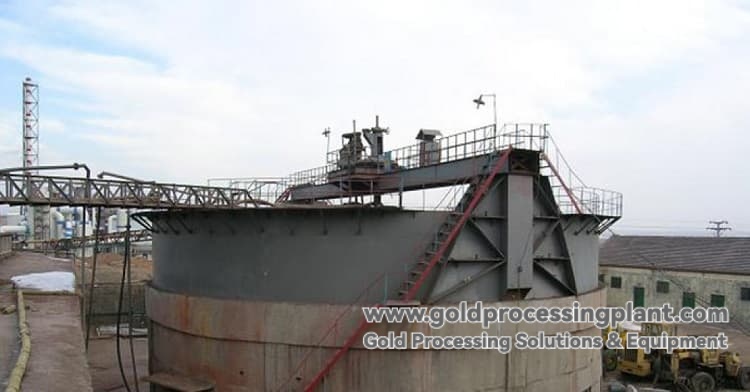
Gold Processing Equipment - High-Efficiency Thickener (Concentrate/Tailings)
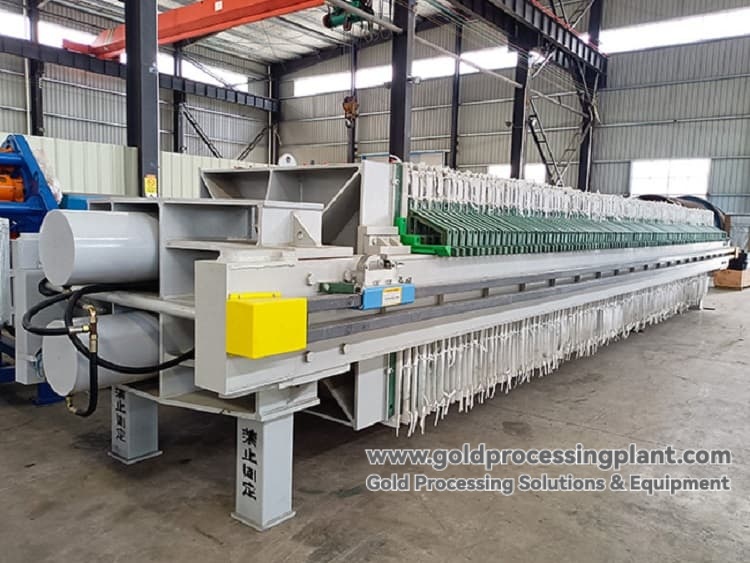
Gold Processing Equipment - Filter Press (Dry Tailings Stacking)
Why Choose GoldProcessingPlant for Gold Processing Equipment Configuration
Gold processing is not short of equipment; what it lacks is a team that understands the ore, the process, the equipment, and how to mesh all three together. In gold processing equipment configuration, GoldProcessingPlant stands out in the following ways:
1
Equipment Configured by Ore, Not by Inventory
Whether the ore is oxide or sulfide, gold is coarse or fine, and clay content is high or low—gold processing equipment selection is based on ore characteristics, not copied from peers' lists.
2
In-House Manufacturing, Process & Hardware Mesh
Crushers, ball mills, flotation cells, leaching tanks, and elution & electrowinning systems are all manufactured in-house. Process and mechanical engineers collaborate in the same team, avoiding "drawings not matching equipment."
3
Full-Process Coverage, Single Unit to EPC
Single gold processing equipment, complete sets, engineering drawings, installation and commissioning guidance, EPC turnkey—combine as needed, no mandatory bundling.
4
Clear Delivery Boundaries, Controllable Labor Costs
Under EPC mode, process design, equipment manufacturing, installation guidance, and commissioning training are managed by us end-to-end; civil works and general installation workers are organized locally by the customer, with our engineers providing technical guidance.
5
Global Project Experience, Deliverable Across Borders
Projects cover Africa, South America, Central Asia, and Southeast Asia, with capacities of 30-5000 TPD. For unstable power in Africa, we equip diesel generators; for limited local worker skills, we provide hands-on training.
6
Continuous Technical Support: Build It and Keep It Running
Commissioning and reaching design capacity are just the beginning. We provide systematic training to ensure your team can independently adjust gold processing equipment parameters and process indicators, and provide long-term spare parts and process optimization support.
Frequently Asked Questions About Gold Processing Equipment
+What main systems does a gold processing equipment list include? ▼
Gold processing equipment is mainly divided into six systems: crushing equipment, grinding & classification equipment, gravity separation equipment, flotation equipment, cyanidation leaching & adsorption equipment, and dewatering equipment. Equipment selection for each system must be based on ore properties (oxide/sulfide, gold particle size, clay content) and the process route—there is no one-size-fits-all solution.
+Does gravity separation equipment need to form a standalone production line? ▼
In hard rock gold mining, gravity separation usually does not form a complete standalone process. It is mostly used as an auxiliary process embedded in the grinding circuit to recover coarse gold, or combined with flotation and cyanidation. The core value of gravity separation is "recover as early as possible," capturing coarse gold before the main process rather than replacing flotation or cyanidation.
+How to choose between flotation equipment and cyanidation equipment? ▼
It depends on the occurrence state of gold. If gold is in sulfides (pyrite, arsenopyrite), flotation is the main line, with concentrate sent for smelting or cyanidation; if gold is mainly free and gangue is simple, direct all-slime cyanidation (CIP/CIL) is more straightforward. Polymetallic associated ores can be comprehensively recovered by flotation. Final selection must be determined based on ore sample test data.
+Is dry tailings stacking equipment mandatory? ▼
Environmental approval for gold projects is becoming stricter, and dry tailings stacking is a mandatory requirement in many regions. It reduces land use and environmental risks, and return water can be recycled, lowering long-term operating costs. Whether it is mandatory depends on local environmental policies and tailings storage conditions.
+What is the approximate investment for gold processing equipment? ▼
Investment is directly related to capacity, ore type, process route, and equipment configuration; there is no uniform fixed quotation. Tell GoldProcessingPlant your daily capacity, ore type, and site conditions, and we can directly issue an equipment configuration list and quotation for the corresponding capacity, making it easy for you to quickly compare investments.
+Can you supply only equipment without process design? ▼
Yes. Single equipment, complete sets, process design, engineering drawings, installation and commissioning guidance, EPC turnkey—choose as needed, no mandatory bundling. The process design fee and drawing advance payment paid in the early stage can be fully deducted from the equipment payment when subsequently signing the equipment or EPC contract.
+What is the typical delivery time for gold processing equipment? ▼
The production cycle for standard gold processing equipment is typically 60-120 days, depending on equipment model, quantity, and whether non-standard customization is required. Delivery for complete production lines will be correspondingly longer; we recommend communicating the production schedule with GoldProcessingPlant early in the project planning stage.
+How is after-sales support guaranteed if equipment fails? ▼
GoldProcessingPlant provides equipment quality assurance during the warranty period and long-term spare parts supply. If equipment fails, remote troubleshooting guidance can be provided first, with on-site engineer dispatch if necessary. We recommend customers stock key wear parts at the time of purchase to minimize downtime.
+Can equipment be customized for extreme cold, high altitude, or water scarcity? ▼
Yes. For special working conditions such as extreme cold, high altitude, strong corrosion, arid water scarcity, and unstable power in Africa, GoldProcessingPlant can provide non-standard customization of gold processing equipment materials, motor power, structure, and supporting systems to ensure stable operation in harsh environments.
+How to configure gold processing equipment economically for small-scale mining sites? ▼
For small-scale sites, prioritize mobile or modular gold processing equipment to reduce civil works and installation costs. Process-wise, gravity separation or heap leaching can first recover coarse gold and low-grade ore, with flotation or cyanidation systems added gradually as capital allows, avoiding excessive one-time investment.
From Gold Processing Equipment List to Configuration Quotation, in One Step
GoldProcessingPlant provides customized gold processing equipment configuration for gold mining customers worldwide. Single equipment, complete sets, engineering drawings, installation and commissioning guidance, EPC turnkey—combine as needed, no mandatory bundling.
Contact us and tell us your daily capacity, ore type, and site conditions. The GoldProcessingPlant team will issue a configuration quotation with a gold processing equipment list and budget for you.
GoldProcessingPlant works with you to create greater value from every ton of gold ore.