XCF-KYF Flotation Plant | Energy-Efficient Gold Flotation Plant for Gold Concentrate Recovery and Tailings Scavenging
The XCF-KYF flotation plant (aerated, mechanically agitated) combines XCF-type flotation machines (self-priming pulp) and KYF-type flotation machines (direct pulp feed). With its original “U”-shaped cell and large-diameter, low-speed conical impeller, it achieves a simple horizontal layout with no froth pump. In gold processing plants, it handles the flotation recovery of gold concentrate from auriferous pyrite, arsenopyrite-type gold ore and copper-gold associated ore, as well as scavenging of gravity tailings and cyanide leaching residues, making it a cost-effective main machine for roughing and scavenging in large gold flotation plants. Compared with conventional flotation machines, this flotation plant saves 30–50% energy and 10–15% reagents; effective cell volume spans 1–70m³, and the full XCF-1 to XCF-70 range meets configuration needs from test lines to thousand-tonne-per-day gold flotation plants. GoldProcessingPlant specializes in gold mining and beneficiation equipment and process integration, and offers XCF/KYF cell ratio schemes and layout recommendations for the gold flotation process based on ore type, throughput and recovery targets.
Product Overview
The XCF-KYF flotation plant is a high-efficiency, energy-saving gold flotation solution for modern large-scale mineral processing plants, combining aerated flotation machines of XCF type (self-priming pulp) and KYF type (direct pulp feed). With its innovative “U”-shaped cell and large-diameter, low-speed conical impeller design, it delivers a simple horizontal layout with no froth pump, offering notable advantages such as large throughput, low energy consumption, low reagent consumption and easy operation and maintenance. It is the ideal choice for roughing and scavenging operations in large gold flotation plants.
In the field of gold flotation, the role of the flotation plant is clearly defined: it is the key link for the economical recovery of refractory gold ore and fine disseminated gold ore. When gold occurs as ultrafine inclusions in pyrite and arsenopyrite (so-called “encapsulated gold”), a gravity concentration production line alone — jig, centrifugal concentrator or shaking table — cannot achieve effective enrichment; the auriferous sulfides must first be floated to produce a gold concentrate, which is then subjected to regrinding, oxidative roasting or direct cyanide leaching through the CIP carbon-in-pulp gold process. The XCF-KYF flotation plant is designed precisely for this stage of gold flotation: the XCF cell self-primes the froth and pulp from the previous stage, while the KYF cell receives forced air from a blower. Arranged alternately in a horizontal layout, they allow the rougher-cleaner-scavenger circuit of the gold flotation plant to eliminate the high-failure-rate froth pump, giving a smoother flow and more stable metallurgical results. For placer and vein gold plants based mainly on gravity concentration, the flotation plant is also installed after gravity tailings and table middlings for scavenging recovery, re-collecting fine gold and auriferous sulfides lost with the tailings and directly increasing overall gold recovery by flotation at the plant.
Synergistic Working Principle of the Flotation Plant
The XCF-KYF flotation plant achieves efficient operation through the perfect cooperation of its two cell types, forming a gravity-flow channel that needs no pumping in the flotation circuit of the gold plant:
- Pulp suction and start-up: the XCF flotation machine, as the suction cell, can self-prime the pulp and froth from the previous stage thanks to its unique impeller structure, eliminating the need for a froth pump and initiating the horizontal flow of the entire gold flotation circuit. The auriferous pulp is fed as the overflow from the closed-circuit grinding classification of ball mills and hydrocyclones, with stable concentration and fineness, creating conditions for full collision and attachment between gold minerals and sulfide minerals.
- Aeration and separation: the KYF flotation machine, as the direct-flow cell, relies on low-pressure air supplied by an external blower, distributed evenly through the central air disperser. The large-diameter conical impeller provides strong agitation and generates a large number of fine bubbles for efficient mineral separation. The surfaces of gold minerals, pyrite and arsenopyrite are activated by collectors (butyl xanthate, Z-200, etc.) and selectively attach to bubbles and rise into the froth, while gangue (quartz, carbonates and other silicified gangue) remains in the pulp as tailings.
- Pulp transport: within the flotation plant, pulp flows naturally thanks to the liquid-level difference created by the horizontal layout, with a smooth flow path and minimal energy consumption in gold flotation. The gold processing plant can therefore eliminate the froth pump, its motor, piping and spare parts, reducing a frequent failure point and avoiding the shearing by the froth pump that causes slimming of gold concentrate fines and reagent waste.
- Froth collection: the scraper mechanism steadily removes the mineralized froth to yield the concentrate. The gold-bearing froth is thickened and dewatered by filter press before being sent to the gold concentrate storage, for subsequent regrinding, oxidative roasting or cyanide leaching; the tailings are sent to the thickener and tailings pond, or, after desliming with heavy drum screens and hydrocyclones, used for backfill and dam construction.
Core Advantages and Features
| Structural Design and Process Advantages |
Performance and Economic Advantages |
| Original synergistic design: the self-priming XCF and direct-flow KYF complement each other to form an efficient pump-free circuit. The rougher-scavenger circuit of the gold flotation plant can be laid out entirely horizontally, with a simple flow and stable metallurgical results. |
Significant energy savings: the large-diameter, low-speed impeller design achieves 30-50% energy savings over conventional flotation machines. In large gold plants operating continuously, power consumption per tonne of ore drops markedly. |
| “U”-shaped cell: good pulp circulation effectively prevents sand settling and ore accumulation. When treating high-density auriferous sulfides and heavy minerals, the cell bottom is less prone to buildup, making restart after shutdown safer. |
Low reagent consumption: excellent pulp circulation and air dispersion enable 10-15% reagent savings. Reagents are costly in gold flotation, so lower unit consumption directly improves the plant's techno-economic indices. |
| Horizontal layout: a simple flow, compact plant layout and lower capital investment. During upgrades of older gold plants, outdated flotation machines can be replaced in situ without raising the building or adding pump pits. |
Huge processing capacity: large cell volume (up to 70m³), especially suited to modern large-scale flotation plants. A large cell volume means fewer cells for the same capacity and simpler management. |
| High-efficiency impeller system: conical impeller plus short-blade rotor delivers strong agitation, low wear and a long service life. The low peripheral speed also reduces shearing and slimming of fine gold and the loss of auriferous fines in tailings. |
High recovery: a stable pulp level and uniform aeration ensure high metallurgical recovery. A steady liquid level is the prerequisite for simultaneously stable gold concentrate grade and recovery in gold flotation. |
| No froth pump: the XCF cell self-primes pulp, completely eliminating the high-failure-rate froth pump and its maintenance costs. Middlings and froth return entirely by gravity through the liquid-level difference, greatly reducing maintenance workload. |
Stable operation: a high degree of automation, simple operation and control, and very reliable running. An automatic pulp-level control system can be added to reduce the influence of manual fluctuations on gold separation indices. |
Technical Parameters
| Model |
Effective Volume (m³) |
Processing Capacity (m³/min) |
Impeller Diameter (mm) |
Impeller Speed (r/min) |
Max Aeration (m³/m²·min) |
Agitation Motor Power (kw) |
Cell Weight (kg) |
| XCF-1 |
1 |
0.2 - 1.0 |
400 |
358 |
2.0 |
5.5 |
1154 |
| XCF-2 |
2 |
0.4 - 2.0 |
470 |
331 |
2.0 |
7.5 |
1659 |
| XCF-3 |
3 |
0.6 - 3.0 |
540 |
266 |
2.0 |
11 |
2259 |
| XCF-4 |
4 |
1.2 - 4.0 |
620 |
215 |
2.0 |
15 |
2669 |
| XCF-8 |
8 |
3.0 - 8.0 |
720 |
185 |
2.0 |
22 |
4435 |
| XCF-16 |
16 |
4.0 - 16.0 |
860 |
160 |
2.0 |
37 |
6568 |
| XCF-24 |
24 |
4.0 - 24.0 |
950 |
153 |
2.0 |
45 |
8000 |
| XCF-38 |
38 |
10.0 - 38.0 |
1050 |
148 |
2.0 |
45 |
11000 |
| XCF-40 |
40 |
10.0 - 38.0 |
1050 |
138 |
2.0 |
55 |
17500 |
| XCF-50 |
50 |
10.0 - 45.0 |
1120 |
110 |
2.0 |
75 |
22000 |
| XCF-70 |
70 |
13.0 - 50.0 |
1200 |
103 |
2.0 |
90 |
26200 |
*Note: the parameters of the KYF direct-flow cell generally match those of the XCF cell of the same specification in impeller, power and other aspects to ensure a smooth flow. The scraper motor power is typically 1.1-1.5kW. The blower is external equipment and must be selected separately according to the total aeration volume of the flotation plant, with a pressure ≥ the “blower pressure” value of the corresponding model.
Gold plant selection recommendations: small gold test lines and plants below 50 t/d can choose XCF-1 / XCF-2 / XCF-3 (1–3m³), allowing flexible adjustment of the number of rougher and scavenger cells; for sulfide flotation in medium-sized gold plants treating quartz-vein and altered-rock ore, XCF-4 / XCF-8 (4–8m³) are commonly used, arranged alternately with same-specification KYF direct-flow cells to form one rougher, one cleaner and two scavenger stages; for large thousand-tonne-per-day gold flotation plants, copper-gold associated ores and large-scale recovery of auriferous pyrite, XCF-16 / XCF-24 / XCF-38 / XCF-40 (16–40m³) are recommended; for extra-large plants and large tailings scavenger circuits, XCF-50 / XCF-70 (50–70m³) offer large cell volume, fewer cells and lower power consumption per tonne of ore. If the gold is mainly coarse free native gold, jigs, centrifugal concentrators and the 6-S shaking table should be prioritized for gravity recovery, with the flotation plant used only as a scavenging supplement; if the gold occurs as ultrafine inclusions in pyrite and arsenopyrite, the flotation plant is the main recovery stage. GoldProcessingPlant can freely provide XCF/KYF cell ratios, blower selection and circuit layout based on gold flotation plant throughput, feed concentration, ore type and target gold concentrate grade.
Applicable Minerals and Applications
- Precious metal flotation (gold and silver): flotation recovery of gold concentrate from auriferous pyrite, arsenopyrite-bearing gold ore, copper-gold associated ore and electrum gold; scavenging recovery of residual gold from gravity tailings, table middlings and cyanide leaching residues; pre-concentration by gold flotation of arsenic- and carbon-bearing refractory gold ore followed by regrinding and leaching for gold extraction.
- Large non-ferrous metal plants: roughing and scavenging of copper, lead, zinc and molybdenum minerals. Copper-gold and copper-sulfur-gold mixed ore plants often use this flotation plant to simultaneously produce a copper-gold bulk concentrate, which is then separated to obtain gold concentrate.
- Ferrous metal separation: flotation of iron and manganese ores, and gold recovery from tailings after iron separation from ferriferous gold ore.
- Non-metallic mineral processing: fluorite, phosphate, potash, barite, etc. Barite and quartz vein silica associated with gold ore can be recovered comprehensively.
- Unsuitable gold ore types: placer and quartz-vein gold ores dominated by coarse free native gold with low sulfide content should rely on gravity concentration (drum screen washing—jig—centrifugal concentrator—shaking table), as the investment and reagent cost of a flotation plant are uneconomical; fully oxidized gold ore with free gold is best treated directly by the gold heap leaching process or agitated cyanide leaching.
How Flotation and Gravity Concentration Work Together
Flow design in a gold plant is never about “one machine doing everything”; instead, gravity concentration and gold flotation are combined according to the mode of occurrence of the gold. The position of the XCF-KYF flotation plant in the circuit is determined by the ore characteristics:
- Gravity first, flotation scavenging (most vein and placer gold ores): jaw crusher → permanent magnet separator → spring cone crusher or impact crusher → heavy drum screen / circular vibrating screen → ball mill → hydrocyclone closed-circuit classification → gold jig concentrators / automatic centrifugal gold concentrators for rougher recovery of free gold → 6-S shaking table for cleaning to produce gold concentrate → table tailings and middlings fed to the XCF-KYF flotation plant for scavenging auriferous sulfides by tailings flotation. The benefit of this chain is that coarse gold is removed ahead of the grinding circuit, avoiding overgrinding, slimming and gold loss in tailings, while fine gold and encapsulated gold lost with gravity tailings are recovered by gold flotation, significantly increasing overall gold recovery.
- Flotation main, gravity auxiliary (sulfur- and arsenic-bearing refractory gold ore): auriferous pyrite and arsenopyrite-type gold ore go directly, after grinding, to the flotation plant to produce gold concentrate; gravity equipment is used only in the grinding circuit to recover occasional coarse native gold. The concentrate is reground to -325 mesh and sent to oxidative roasting or biological oxidation, followed by cyanide leaching for gold extraction.
- Tailings utilization: after desliming flotation tailings with hydrocyclones and thickening in the thickener, they can be used for mine backfill and tailings dam construction, with the clear water recycled to grinding and gold flotation, reducing fresh water consumption at the gold plant.
- Feed assurance: the stability of flotation indices depends on the upstream stage: before feeding, a permanent magnet separator removes remnants of drill rods and liner fragments to prevent iron pieces from entering the cell and jamming the impeller; the ball mill and hydrocyclone keep grinding fineness in the -200 mesh range required for gold mineral liberation, avoiding overgrinding, excessive reagent consumption and deterioration of froth selectivity.
Professional Service Support
We provide our customers with complete gold processing plant solutions tailored to the flotation plant:
- Process design and plant configuration: based on your ore characteristics and capacity requirements, we provide the optimal XCF/KYF cell ratio and process design, including calculation of the number of rougher, cleaner and scavenger stages and cells, as well as blower air volume and pressure selection.
- Installation and commissioning: an experienced engineering team handles on-site installation supervision and production commissioning to ensure the flotation plant achieves optimum performance; during commissioning of the gold plant, the reagent regime, pulp level and scraper cycle are calibrated simultaneously.
- Energy assessment and optimization: we provide professional energy consumption analysis to help customers maximize energy savings, with comparative data on power consumption and reagent cost per tonne of ore.
- Spare parts supply: long-term supply of original impellers, stators, air dispersers and other core wear parts to ensure stable long-term operation; wear-part life records and replacement interval recommendations are available.
Why Choose Our XCF-KYF Flotation Plant
- Mature technology, ample cases: the XCF-KYF flotation plant represents the current trend of flotation toward high efficiency and energy saving; its ingenious design combines the advantages of both cell types, with numerous long-term stable operating cases in large gold, copper and polymetallic plants in China and abroad.
- Low overall operating cost: the combined effect of 30–50% energy savings, 10–15% reagent savings and no froth pump markedly reduces the processing cost per tonne of ore at the gold flotation plant; the low-wear design of the cell and impeller further shortens maintenance downtime.
- Strong full-line integration: we can supply all equipment for the complete gold plant process, from crushing (jaw crusher, spring cone crusher, impact crusher), iron removal (permanent magnet separator) and screening (heavy drum screen, mobile drum screen), through grinding and classification (ball mill, hydrocyclone), to gravity concentration (jig, automatic centrifugal concentrator, 6-S shaking table) and flotation (XCF-KYF flotation plant), including EPC turnkey projects.
- Professional service support: we provide full-process technical support from ore dressing tests and process design through selection, installation and commissioning to maintenance, ensuring the equipment creates maximum value for your gold flotation plant.
Frequently Asked Questions
What is the XCF-KYF flotation plant and what role does it play in gold processing?
It is aerated, mechanically agitated flotation equipment formed by combining the XCF-type self-priming pulp flotation machine (suction cell) and the KYF-type direct pulp feed flotation machine (direct-flow cell) in a set ratio. It uses a “U”-shaped cell and a large-diameter, low-speed conical impeller, allowing a horizontal layout with no froth pump. At a gold plant, its role in gold flotation is to recover, in the form of gold concentrate, gold minerals occurring as ultrafine inclusions in pyrite and arsenopyrite and fine gold that is difficult to collect by gravity; it also scavenges gravity tailings, table middlings and leaching residues, directly increasing overall gold recovery while reducing cost per tonne of ore through 30–50% energy savings and 10–15% reagent savings.
What is the difference between XCF and KYF flotation machines and why must they be configured together?
The XCF is a suction cell: thanks to its unique impeller structure, it self-primes pulp and froth from the previous stage and can draw in both air and pulp, returning middlings and froth and driving the flow of the whole circuit. The KYF is a direct-flow cell: pulp enters by gravity from the previous cell and receives forced air from an external blower through the central air disperser, carrying out the main separation. Using the XCF alone limits air intake; using the KYF alone requires a froth pump. Arranging them alternately ensures sufficient, uniform aeration and achieves horizontal gravity flow throughout the circuit, eliminating the froth pump and its maintenance — this is precisely why gold plants favor the flotation plant solution.
Which gold ores are suitable for recovery by gold flotation and which are not?
Suitable: auriferous pyrite, arsenopyrite-bearing gold ore, copper-gold associated ore, arsenic- and carbon-bearing refractory gold ore, as well as altered-rock and silicified fracture-zone gold ores in which gold occurs as ultrafine inclusions in sulfides — such ores cannot be enriched by gravity and require flotation pre-concentration before leaching to extract the gold, for example through the
CIL carbon-in-leach gold process. Unsuitable: placer and quartz-vein gold ores dominated by coarse free native gold (drum screen washing, jig, centrifugal concentrator and shaking table should be prioritized), and fully oxidized gold ores with free gold (direct cyanide leaching is preferable). GoldProcessingPlant recommends a process mineralogy study first to define the mode of occurrence and particle size distribution of the gold before deciding the separation circuit.
How does the flotation plant work with jigs, centrifugal concentrators and shaking tables?
Most vein and placer gold plants adopt the combination of “gravity to remove gold ahead + flotation scavenging as backup”: in the grinding circuit, a jig first recovers medium and coarse free gold, an automatic centrifugal concentrator captures ultrafine gold, and 6-S shaking tables clean the concentrate to produce high-grade gold concentrate; gravity tailings and middlings are then fed to the XCF-KYF flotation plant to scavenge auriferous sulfides and residual gold. For refractory ores dominated by encapsulated gold, the scheme is reversed, with flotation as the main operation and gravity as auxiliary. This avoids overgrinding and loss of coarse gold in tailings while bringing both fine and encapsulated gold into recovery — the most reliable strategy for raising overall gold recovery at the gold plant.
What benefits do a horizontal layout and no froth pump bring to a gold plant?
Conventional flotation machines require a stepped layout and froth pumps to return middlings and froth; the pump body wears quickly, has a high failure rate and consumes considerable power, and its shearing further slims already enriched auriferous fines. The XCF-KYF flotation plant achieves horizontal gravity flow of pulp through the self-priming XCF cell and the liquid-level difference between cells. The benefits are threefold: first, it eliminates the investment in the froth pump, piping and spare parts; second, it lowers building height and saves foundation and civil works investment, so an older gold plant can replace equipment in situ; third, shearing is weak and the pulp level stable, so gold concentrate grade and recovery are more stable and power consumption for gold flotation drops significantly.
How are 30–50% energy savings and 10–15% reagent savings achieved?
It is achieved mainly through three aspects: ① large-diameter, low-speed conical impeller — agitation and air suction are completed at a lower peripheral speed, reducing agitation power per unit volume while limiting the generation of fines; ② “U”-shaped cell — good pulp circulation with no dead zones and no sand settling increases the probability of collision and attachment between minerals and bubbles, cutting unit reagent consumption by 10–15% at the same recovery; ③ forced-air blower plus central air disperser — the airflow can be adjusted independently, with fine, well-dispersed bubbles and a large specific surface area, avoiding the energy waste of self-priming flotation machines that “over-agitate to draw in air”. For a continuously operating gold plant, electricity and reagents together significantly improve the techno-economic indices per tonne of ore.
What reagents are commonly used in gold flotation and how are the froth layer and pulp level controlled?
In the flotation of auriferous sulfides, sulfide collectors such as butyl xanthate and Z-200 (ethyl thiocarbamate type) are used, copper sulfate activates sphalerite and part of the auriferous sulfides, lime adjusts pulp pH and depresses pyrite (depending on ore type), and No. 2 oil is commonly used as frother. Key control points: keep the pulp level stable — too high a level carries coarse particles, while too low a level thickens the froth layer and lowers grade; adjust reagent dosage promptly according to changes in feed rate and grade to avoid waste and sticky froth from overdosing; and control the scraper cycle and speed to maintain a stable froth layer thickness. GoldProcessingPlant can help calibrate the reagent regime and pulp-level parameters during commissioning.
How do I select cell volume and model based on throughput and ore characteristics?
First calculate the volumetric pulp flow rate (m³/min) from plant throughput and feed concentration, then compare with the capacity ranges in the parameter table to determine cell size and number: small test lines and plants below 50 t/d use XCF-1 / XCF-2 / XCF-3; medium plants commonly use XCF-4 / XCF-8; large thousand-tonne-per-day gold flotation plants use XCF-16 / XCF-24 / XCF-38 / XCF-40; extra-large circuits use XCF-50 / XCF-70. Because auriferous sulfides are dense and settle easily, cell volume and agitation intensity should be increased moderately; where coarse gold is abundant, gold flotation time should be shortened and gravity concentration placed ahead. The blower must be selected separately according to the total aeration volume of the flotation plant, with a pressure not lower than the value required by the corresponding model.
What wear parts does a flotation machine have, and what are the impeller and stator life and maintenance points?
The main wear parts are the impeller, stator (dispersing hood), air disperser, main shaft bearings, scraper blades and V-belts. Maintenance points: ① regularly inspect the clearance between impeller and stator; if too large, air suction capacity drops and bubbles become coarse; ② maintain iron removal from the feed, since drill rod remnants and liner fragments entering the cell directly damage the impeller — a permanent magnet separator at the belt end is recommended; ③ control feed concentration and particle size to avoid coarse sand and excess fines aggravating wear and sand settling; ④ before shutdown, reduce concentration or flush with water to prevent pulp from settling and hardening; ⑤ replace wear parts according to the record interval, as original impellers and stators significantly extend service life. Because the flotation plant has no froth pump, routine maintenance is much lighter than in a conventional flotation circuit.
How much does an XCF-KYF flotation plant cost and what information is needed for a quotation?
The price depends on the total effective volume and number of cells (the ratio of XCF suction cells to KYF direct-flow cells), model and specification (XCF-1 to XCF-70), agitation and scraper motor configuration, whether a blower is included, automatic pulp-level control, impeller and stator materials and the quantity of spare parts, and whether concentrate dewatering equipment such as thickeners and filter presses is included. For an accurate quotation, please provide: gold processing plant throughput (t/d or t/h), ore type and gold mineral characteristics (whether arsenopyrite or carbon is present), feed concentration and grinding fineness (percentage passing -200 mesh), target gold concentrate grade and tailings grade, and site and installation conditions. GoldProcessingPlant's mineral processing and process engineers can freely provide the XCF/KYF cell ratio scheme, flotation circuit layout drawing and a full-line quotation.
With four key features — horizontal layout with no froth pump, 30–50% energy savings, 10–15% reagent savings and large capacity per cell — the XCF-KYF flotation plant has become an efficient, energy-saving choice for gold plants treating refractory ore and recovering residual gold. It can enrich ultrafine encapsulated gold together with auriferous sulfides into gold concentrate, creating conditions for subsequent cyanide leaching, and it can also scavenge the gravity tailings of jigs, centrifugal concentrators and the 6-S shaking table, reducing gold losses in tailings and raising overall gold recovery by flotation. Based on your auriferous ore characteristics, throughput and target indices, GoldProcessingPlant can provide flotation plant selection, cell ratio and a complete “crushing—iron removal—screening—grinding—classification—gravity concentration—flotation” process solution.
Tell Us Your Gold Plant Throughput and Ore Type
GoldProcessingPlant engineers match the XCF-KYF flotation plant model, cell ratio and blower configuration to your needs
We issue a free flotation circuit scheme and equipment quotation, with full-line supply of ball mills, hydrocyclones, jigs, centrifugal concentrators and shaking tables
flotation plant selection and quotation



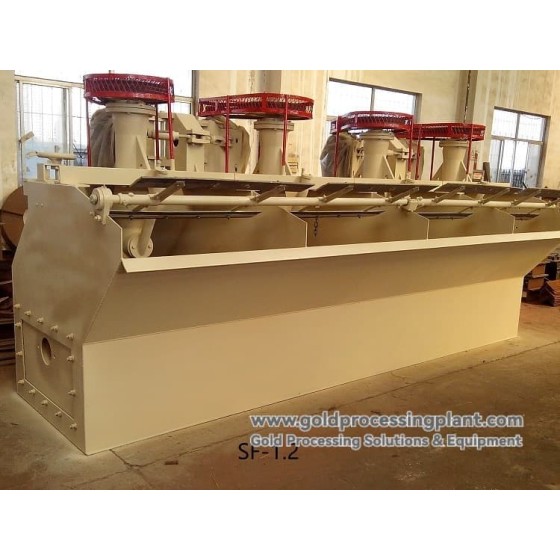
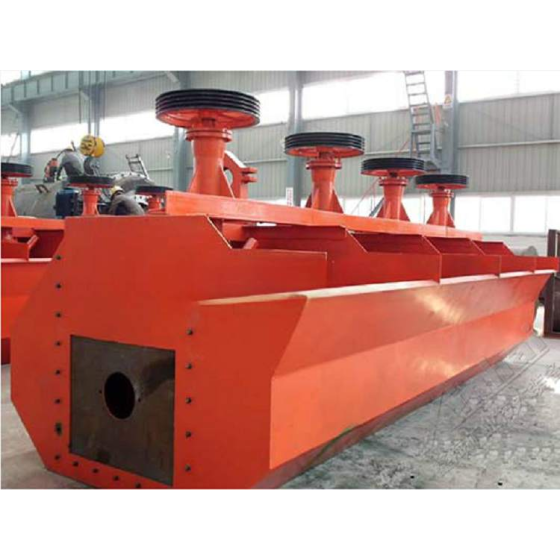
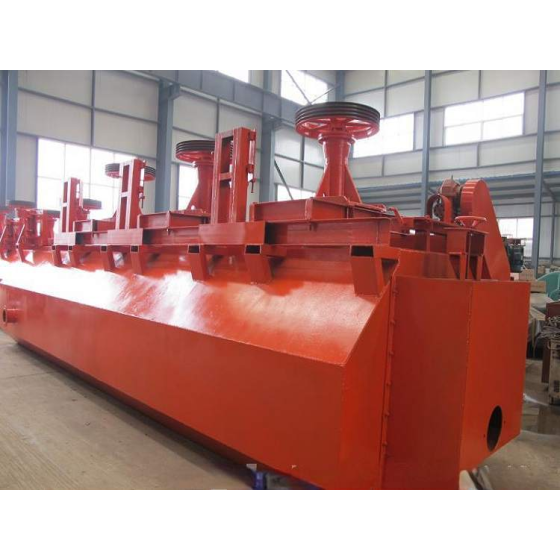
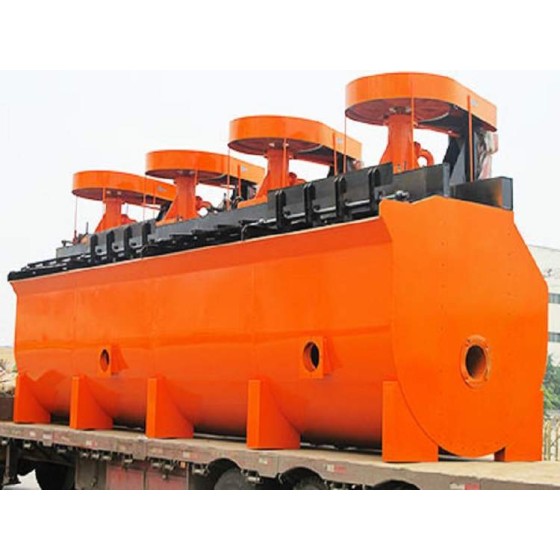
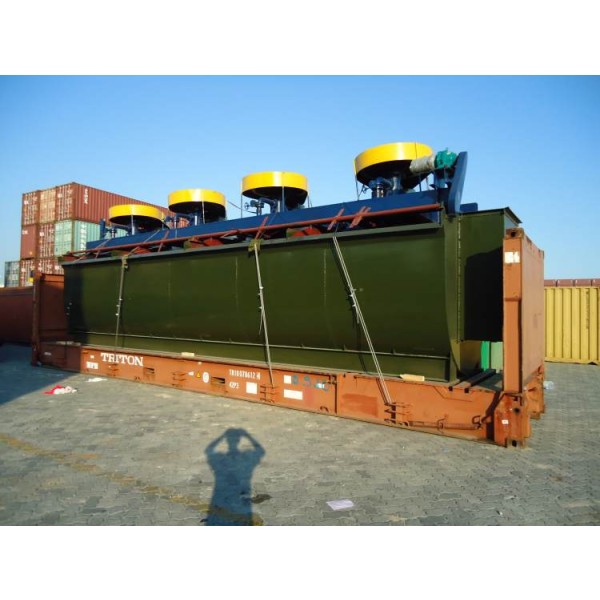
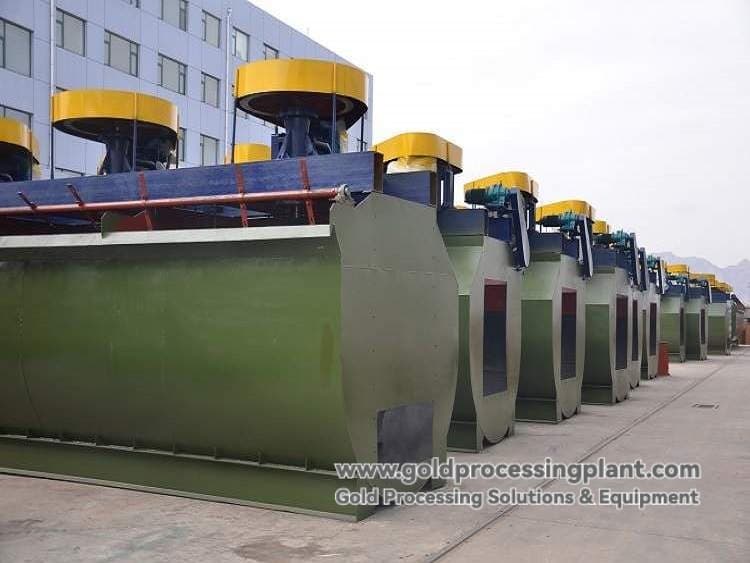 Actual view of the GoldProcessingPlant XCF-KYF flotation plant at a gold processing plant (U-shaped cell·scraper mechanism·horizontal layout)
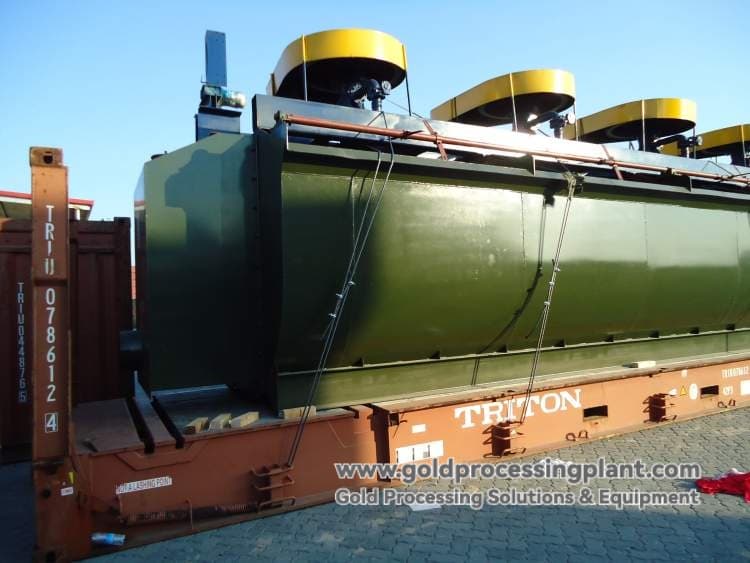 XCF suction cell impeller, stator and hollow-shaft self-priming structure (self-priming pulp and air·no froth pump)
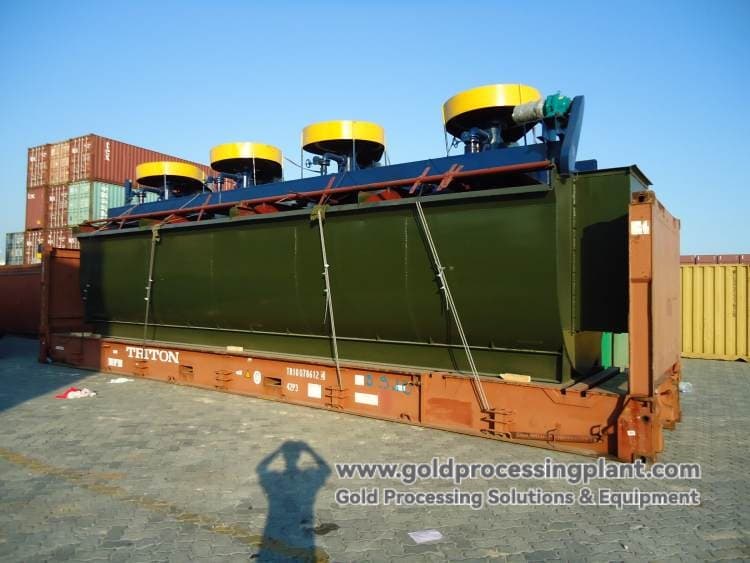 KYF direct-flow cell central air disperser and large-diameter conical impeller (forced air from blower·fine bubbles)
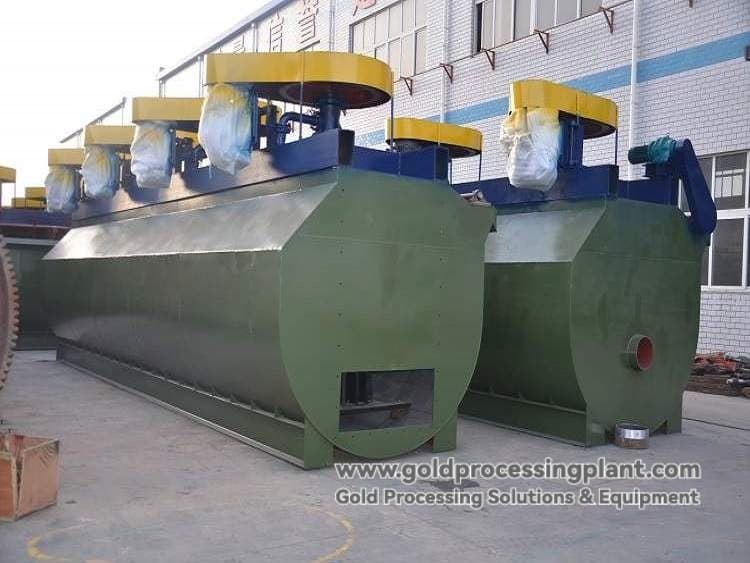 On-site installation and gravity-flow piping layout of the GoldProcessingPlant flotation plant at a gold processing plant (horizontal layout·no froth pump)
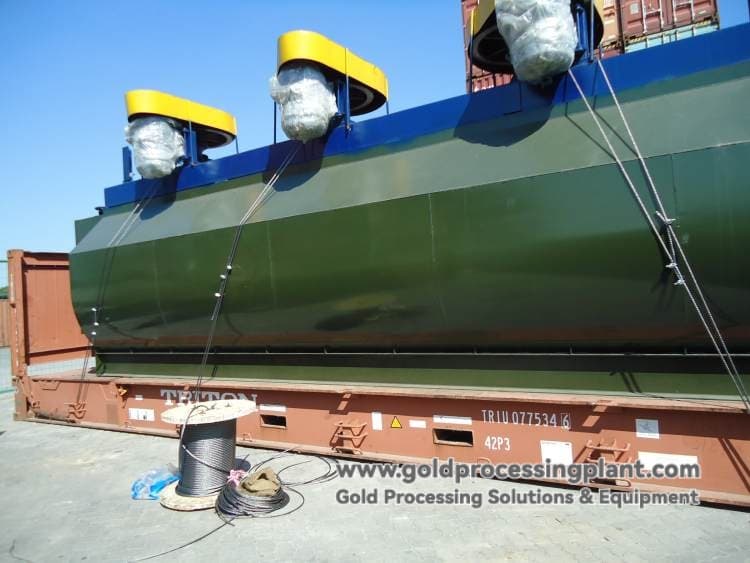 Scraper mechanism and mineralized froth layer of the flotation plant (stable pulp level·uniform froth removal)
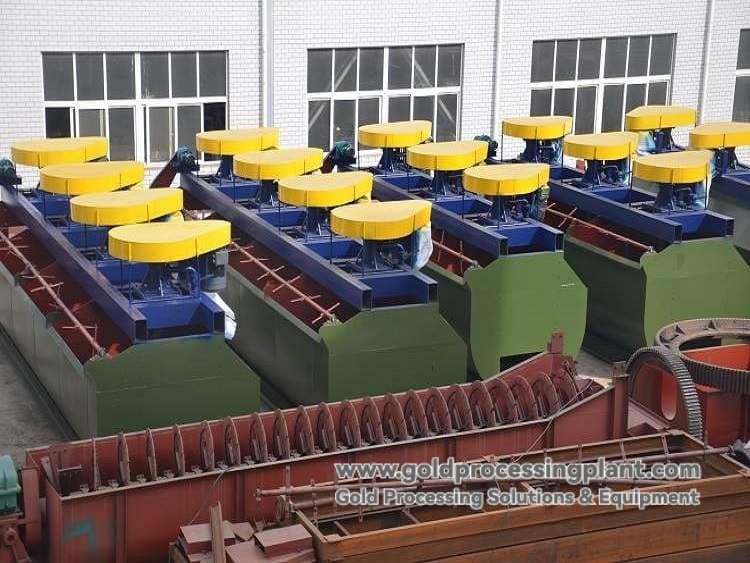 Overall layout of the GoldProcessingPlant flotation workshop at a gold processing plant (XCF suction cells and KYF direct-flow cells arranged alternately)