


EPC Turnkey Solution for a CIL Leaching Production Line for Difficult-to-Process Gold Ore
The leaching performance of difficult-to-process ores—such as those containing arsenic, carbon, or fine-grained inclusions—has long fallen short of expectations, posing a technical bottleneck for many mineral processing plants.In conventional cyanidation processes, when treating such ores, gold is often encapsulated by sulfides, or dissolved gold is re-adsorbed by carbonaceous material, resulting in elevated tailings gold content and unstable recovery rates.The EPC turnkey solution for CIL leaching production lines for difficult-to-process gold ores is specifically designed for this type of ore, integrating mineral processing testing, pretreatment, carbon-in-leach adsorption, desorption, electrolysis, and engineering delivery into a complete process chain.
Step 1 | What Is the Problem?
High tailings gold content and unstable recovery rates. Leaching rates are generally unsatisfactory when processing difficult-to-treat ores, and are highly correlated with fluctuations in ore properties; performance indicators for the same ore batch vary significantly across different shifts and under different reagent regimens.
Chemical consumption remains persistently high. The usage of sodium cyanide and lime exceeds that of conventional ores, driving up costs without a corresponding increase in gold recovery; ores containing copper or antimony also consume additional cyanide.
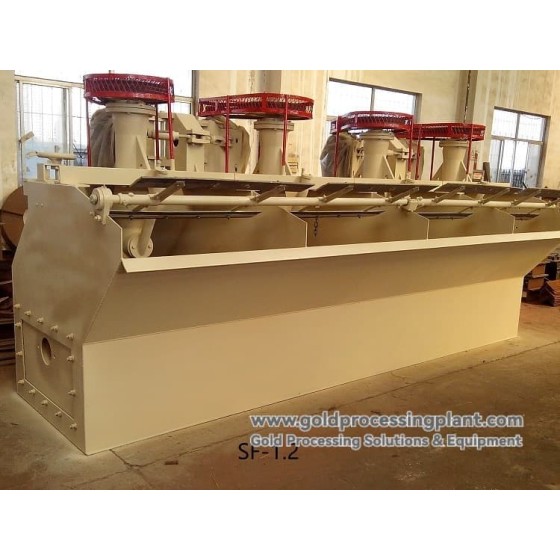
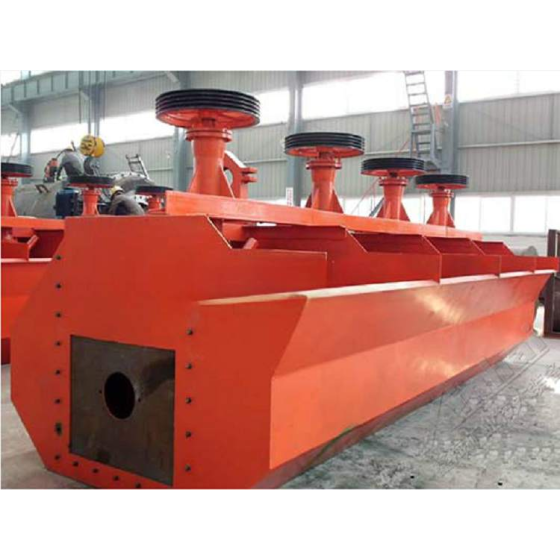
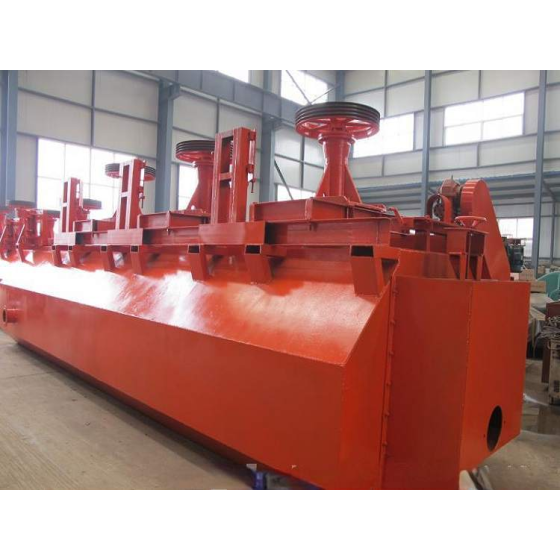
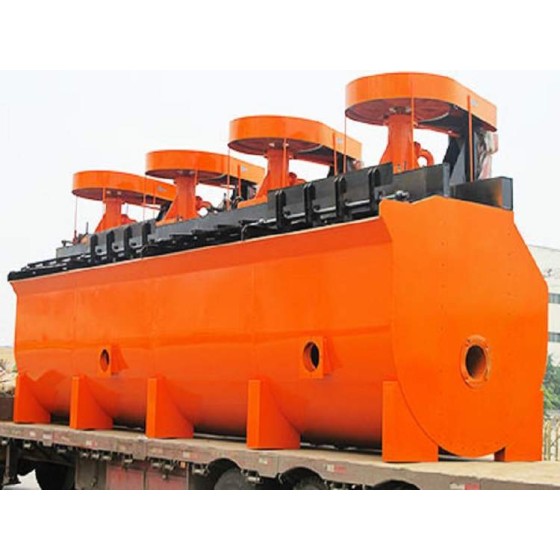
Abnormal foam and separation indicators.In the flotation stage, the foam appears grayish and the skimming volume is low, preventing the concentrate grade from rising; when the grinding fineness is insufficient, gold-bearing minerals fail to achieve single-particle liberation, making subsequent leaching impossible. Insufficient throughput is also common, often caused by increased ore hardness, higher clay content, or mismatched process capacity.
When leaching performance consistently falls short of expectations over the long term, it is usually not due to a single operational issue, but rather a sign that the process route is mismatched with the ore\'s properties.
Step 2 | Why Does This Problem Occur?
First, the process was implemented without fully understanding the ore\'s occurrence characteristics. Gold deposits can be classified by origin into quartz vein-type, altered rock-type, Karst-type, placer gold, and difficult-to-process ores; the processes required for fissure gold and inclusional gold are completely different.In Karst-type fine-grained disseminated gold ores, gold is encapsulated as invisible gold within pyrite and arsenopyrite, making it difficult to liberate through conventional grinding; applying a quartz vein-type process directly—even with identical equipment—can result in significantly different performance metrics.
Second, the absence of pretreatment or improper process selection. In arsenic-bearing ores, gold is encapsulated by arsenopyrite; in carbon-bearing ores, carbonaceous material re-adsorbs dissolved gold cyanide complexes; and in antimony-bearing ores, gold associated with stibnite interferes with leaching.The optimal approach is to first concentrate gold-bearing sulfides via flotation, then use proprietary reagents, roasting, pressurized oxidation, bio-oxidation, or chemical oxidation to release the encapsulated gold and mitigate the gold-snatching effect, followed by cyanidation to recover the gold. If pretreatment is omitted, even the most advanced CIP configuration will struggle to compensate for losses incurred in the upstream stages.
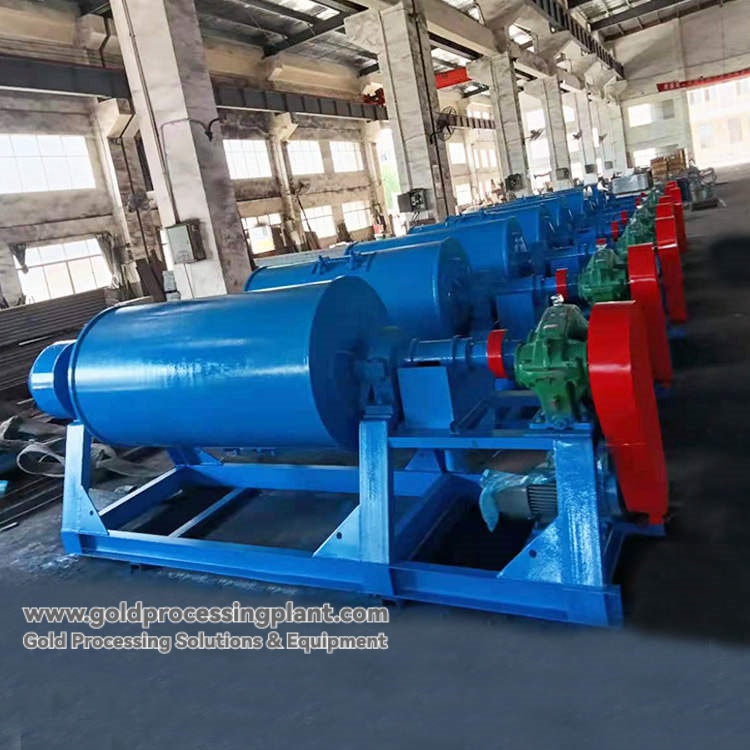
Third, there is a disconnect between the process and the equipment, resulting in a broken chain of responsibility. Crushing, grinding, and beneficiation equipment comes from different manufacturers, making it difficult to match interfaces and production capacities; designers place too much emphasis on theoretical calculations, leading to discrepancies between the parameters on drawings and the actual performance of the equipment. When performance targets are not met, all parties tend to pass the blame onto one another.
The root of the problem often lies elsewhere than where you are looking. The crux of the matter usually lies in unclear ore conditions, an inappropriate pretreatment route, or a lack of alignment between the process and equipment—rather than insufficient chemical dosing or poor-quality activated carbon. For low-grade oxidized ores, heap leaching may be considered; for large-scale mines requiring stage-by-stage control due to rapid leaching rates, the CIP process may be appropriate.A CIL leaching production line for difficult-to-process gold ores is not the only answer, but rather one option tailored to specific ore conditions.
Step 3 | What Is the Solution?
Test first, then build the plant. Conduct chemical analysis and process feasibility tests on representative ore samples, including gravity separation, open-circuit and closed-circuit flotation, cyanide leaching, and comparisons between whole-ore CIL and CIP, as well as heap leaching and column leaching tests.A qualified report should not only provide recommended processes and expected performance indicators but also include a list of selected equipment and a preliminary budget, allowing for a direct transition to the design phase. Proceeding with plant construction without representative ore sample data poses a significant risk in gold mining investments.
Pre-treatment is customized for each ore and follows an integrated process. For arsenic-bearing ores, flotation produces arsenic-gold concentrate, which is then subjected to cyanidation after treatment with proprietary reagents, roasting, pressurized oxidation, or bio-oxidation; for carbon-bearing ores, carbonaceous matter is suppressed during the flotation stage, or pre-treated through passivation to remove carbonaceous matter;For fine-grained encapsulated gold, fine grinding is used to break open the encapsulation, or a combined route of flotation enrichment with pretreatment is adopted. The specific selection is based on the conclusions of ore sample testing.
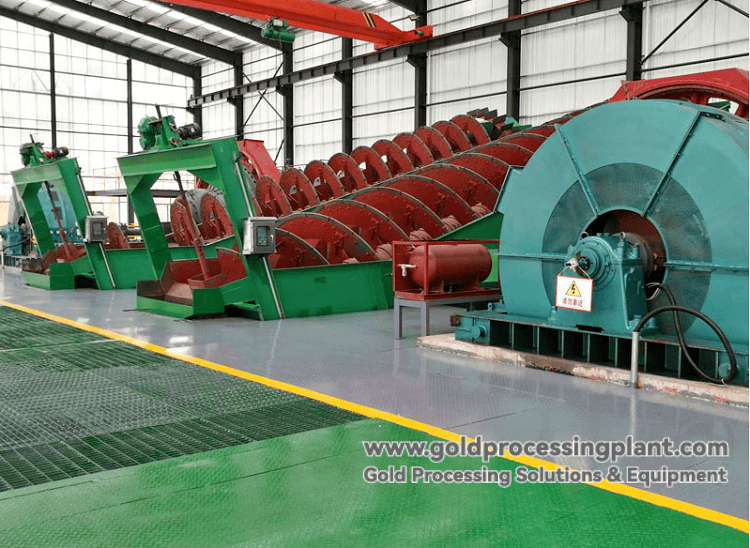
The core of the CIL process lies in the simultaneous leaching and activated carbon adsorption. Under alkaline conditions, cyanide and lime are added to adjust the slurry, and leaching tanks equipped with agitation and aeration are set up; high-efficiency dual-impeller carbon-in-leach tanks ensure thorough contact between the slurry and the carbon, while carbon-retention screens prevent carbon from being carried away with the slurry, and carbon recovery units retrieve the gold-loaded carbon.Activated carbon is added at the final stage, moving forward in a countercurrent flow to ensure contact with the slurry in the opposite direction.The gold-loaded carbon, after acid washing, enters the desorption and electrolysis system; desorption at ambient temperature and pressure is suitable for conventional processing, while high-temperature, high-pressure desorption is more thorough. The gold slurry then enters the gold smelting furnace to produce refined gold. The coordination of leaching and adsorption times, as well as the management of activated carbon concentration and gold-loaded carbon, must all be determined through testing and calibrated on-site.
Tailings management is designed in tandem with environmental protection measures. The thickener completes sedimentation and dewatering, and a plate-and-frame filter press compresses the slurry into filter cakes that meet transportation and dry-discharge requirements; cyanide-containing wastewater is treated in accordance with environmental regulations.
Changing the approach is more effective than replacing equipment.After replacing the entire line\'s equipment, performance indicators remained unchanged; however, after adding pretreatment and recalibrating the grinding fineness, the original equipment began to perform as expected. The extent of performance improvement depends on the grain size and occurrence conditions of the ore; it should be based on ore sample tests and contractual agreements. Discussing fixed recovery rates without considering ore conditions lacks a solid basis.
Step 4 | How to Implement the Solution
The value of an EPC turnkey solution for a CIL leaching production line for difficult-to-process gold ore lies in having a single entity manage the entire process. The standard process consists of eight stages: requirements communication and preliminary assessment; process design, equipment selection, and quotation; solution confirmation and commercial contract;engineering drawing design; equipment manufacturing and supply; logistics and shipping; on-site construction guidance, installation, and commissioning; and personnel training and after-sales support.
During the on-site phase, engineers are stationed at the site to provide guidance, lead the commissioning of individual units and integrated trial runs with water and feed material, and optimize grinding fineness, reagent regimes, and leaching parameters until qualified gold concentrate or blended gold is produced.Providing representative ore samples as early as possible to initiate process design, and commencing the manufacture of custom-built equipment once core parameters are determined—with design and manufacturing proceeding in parallel and civil engineering work starting first—can shorten the project timeline. Initial testing and design fees can be offset against equipment costs when subsequent equipment or EPC contracts are signed.
Step 5 | How Effective Is It?
Effectiveness evaluation should be based on verifiable metrics: improvements in performance indicators under the same ore source and operating conditions, as well as changes in full life-cycle costs.
Take a gold mine in Qianxinan Prefecture, Guizhou Province, as an example. The ore from this mine contains arsenic and carbon, with gold encapsulated in arsenopyrite and pyrite. Conventional cyanide leaching rates had long been low, and previous equipment replacements had yielded limited results.After the project was launched, ore characterization and process validation were first completed to determine the gold\'s occurrence state. Ultimately, a combined process route was established involving flotation to concentrate gold-bearing sulfides, pre-treatment to release the encapsulated gold, and subsequent cyanidation to recover the gold.After reconfiguring the equipment according to the process, operational metrics met the contractually agreed-upon levels. Additional benefits include reduced chemical consumption and electricity usage, as well as the assurance provided by long-term technical support.
[Applicable Scenarios and Process Boundaries]
The CIL leaching production line for difficult-to-process gold ores is primarily intended for gold ores where conventional cyanidation yields unsatisfactory results—such as those containing arsenic, carbon, antimony, or fine-grained disseminated gold—and is also suitable for the re-processing evaluation of old tailings.For conventional ore types such as quartz vein ores and placer gold deposits, gravity separation, flotation, or conventional cyanidation are often sufficient; the final determination always depends on ore sample testing.CIL involves simultaneous leaching and absorption, resulting in a compact process; CIP involves leaching followed by absorption, making it suitable for high-throughput scenarios requiring rapid leaching rates and staged control; heap leaching requires relatively lower investment and is suitable for low-grade oxidized ores.
[EPC Model and Scope of Work]
Under phased procurement, design, equipment, construction, and commissioning are handled by different entities. While initial quotes may appear lower, the risks associated with interfaces and coordination costs are shifted to the mine operator.The EPC turnkey model assigns a single entity responsibility for process design, equipment supply, installation guidance, commissioning, and training, with the scope of work clearly defined in the contract from the outset.The solution provider is responsible for technical and process design, equipment supply, and commissioning guidance; the mine operator is responsible for civil engineering, organizing local installation personnel, and site preparation (utility connections and land grading). Hiring local installation workers helps control labor costs, but installation standards and critical processes must be verified by on-site engineers.
[Section on Issues of Concern to the Owner]
The maximum recovery rate is determined by the ore\'s inherent properties. Standard practice is to establish reasonable targets based on ore sample testing under the same ore source and operating conditions and to include these in the contract, rather than committing to absolute values that are independent of the ore\'s characteristics.Commissioning includes individual unit testing, integrated system testing, operation with water and feed material, and parameter calibration; the duration is subject to fluctuations in ore quality and on-site conditions. During the warranty period, free replacement of spare parts will be provided for damage caused by manufacturing defects; lifetime technical support will be provided after the warranty expires.
[Quick Reference Table: Problems–Causes–Solutions]
| Symptom | Common Causes | Countermeasures |
|---|---|---|
| Consistently low leaching efficiency | Gold is encapsulated by sulfides or sequestered by carbon | Flotation to concentrate gold-bearing sulfides, followed by cyanidation after appropriate pretreatment |
| Unstable dosing and carbon addition parameters | Unclear ore occurrence; process copied without adaptation | Conduct selectivity tests on representative ore samples and customize the process based on the report |
| Concentrate grade is not improving; abnormal foaming | Insufficient grinding fineness or interference from slime | Calibrate the grinding fineness; desliming or adjust the reagent regimen if necessary |
| Equipment interfaces do not match; production capacity is compromised | Crushing, grinding, and beneficiation equipment from different manufacturers | Process design and equipment manufacturing should be handled by the same team; configure according to the drawings |
| Performance fluctuates erratically | Operational variations; lack of standardized parameters | Standardize parameters and train operators on adjustment methods |
| Project delays and commissioning failing to meet standards | Broken chain of accountability and lack of cross-border experience | EPC as the sole responsible party; scope of responsibility defined in the contract |
Our Commitment
We provide end-to-end delivery from ore to compliant gold. Process solutions are derived based on ore characteristics, rather than relying on templates; process design and equipment manufacturing are managed by the same team; and commissioning targets are specified in the contract. We only commit to reasonable targets that can be achieved based on ore characteristics and process conditions, and we reject false promises that are not grounded in data.